
Patient Resources
Expert, evidence-based articles to help you understand your skin, hair, and scalp.
Browse by Topic:
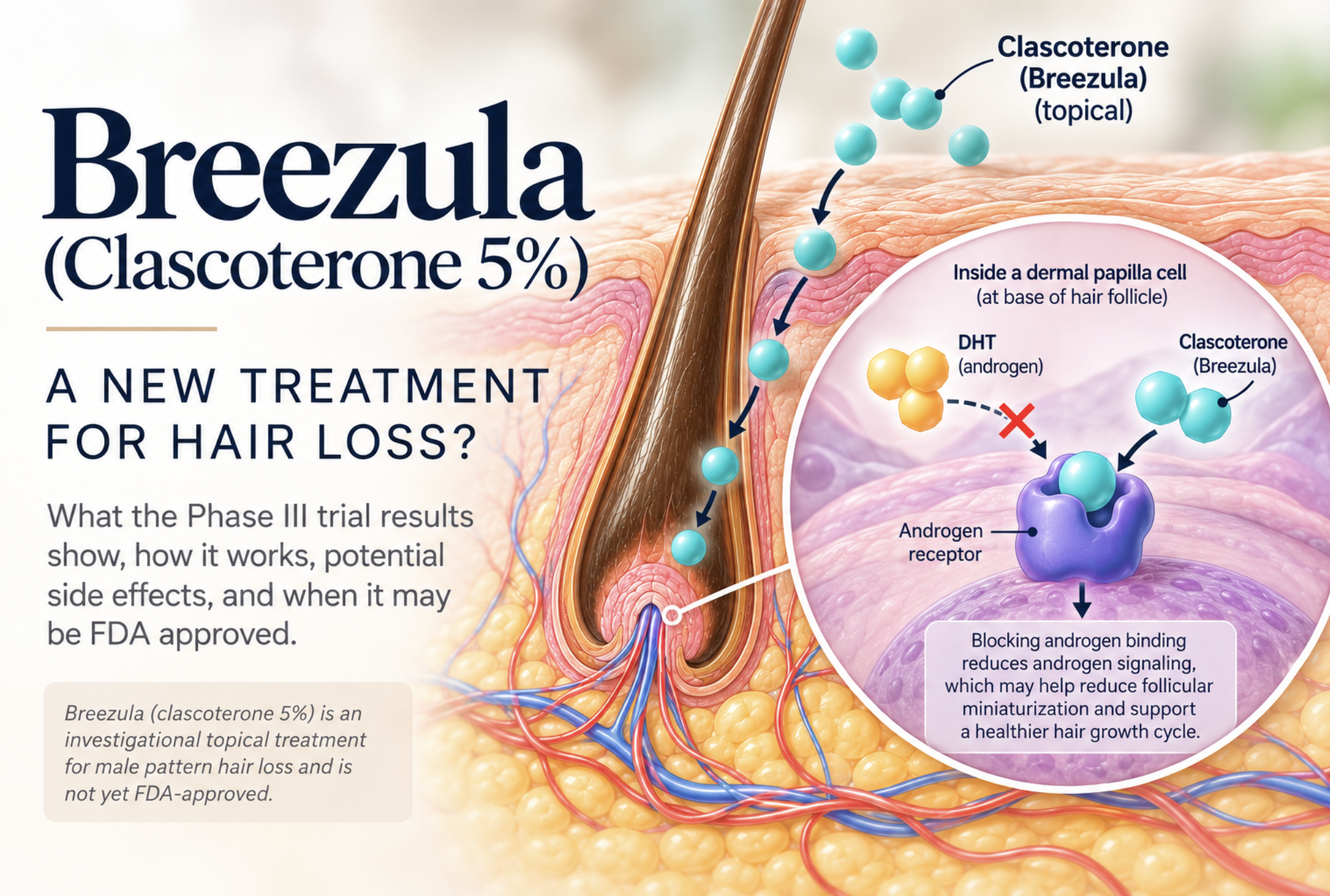

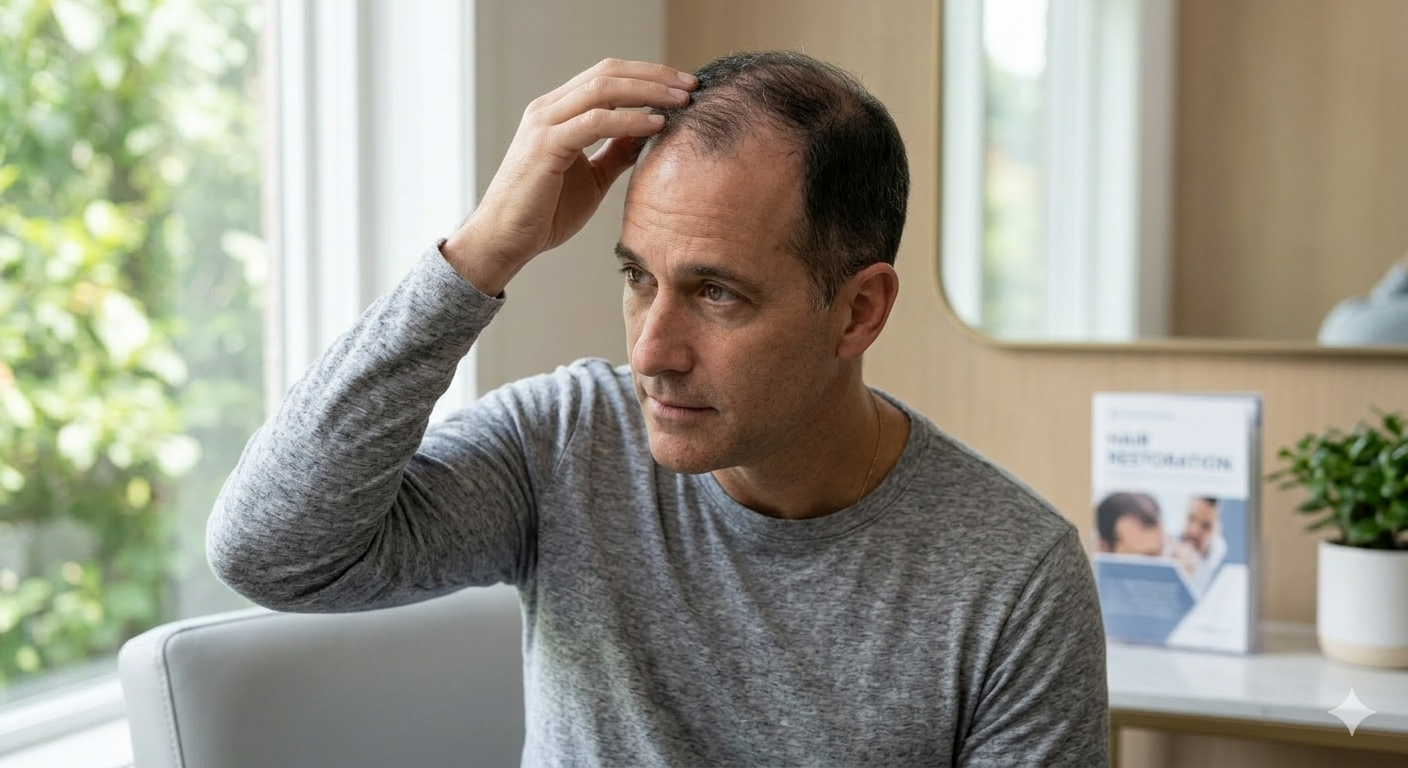
Breezula for Hair Loss: Results, Side Effects & FDA Status
Does Breezula (clascoterone 5%) work for hair loss? A dermatologist reviews Phase III results, side effects, and FDA status.
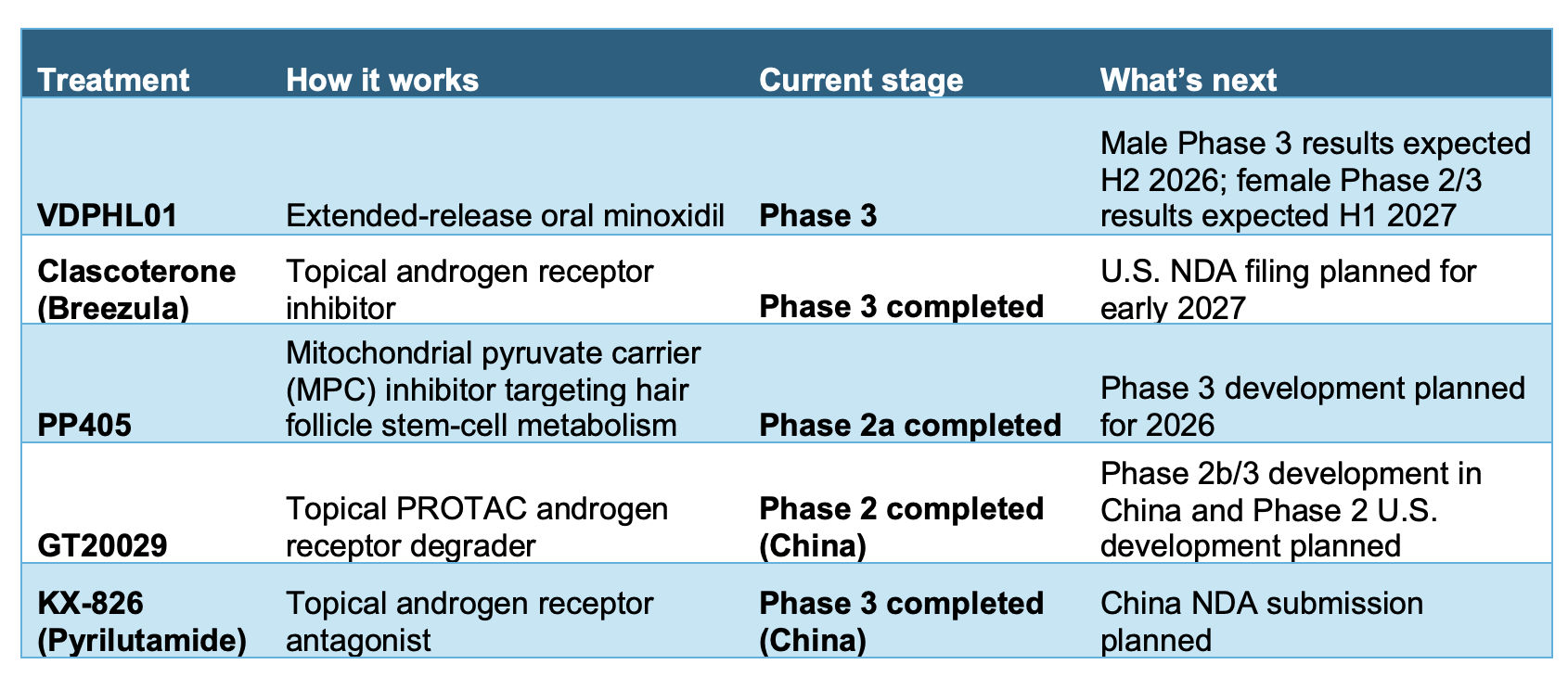
New Hair Loss Treatments in 2026: What’s Next for Androgenetic Alopecia?
What are the newest hair loss treatments in 2026? Hair specialist Dr. Dawn Queen explains PP405, Breezula, VDPHL01, GT20029, KX-826 and what the research shows.
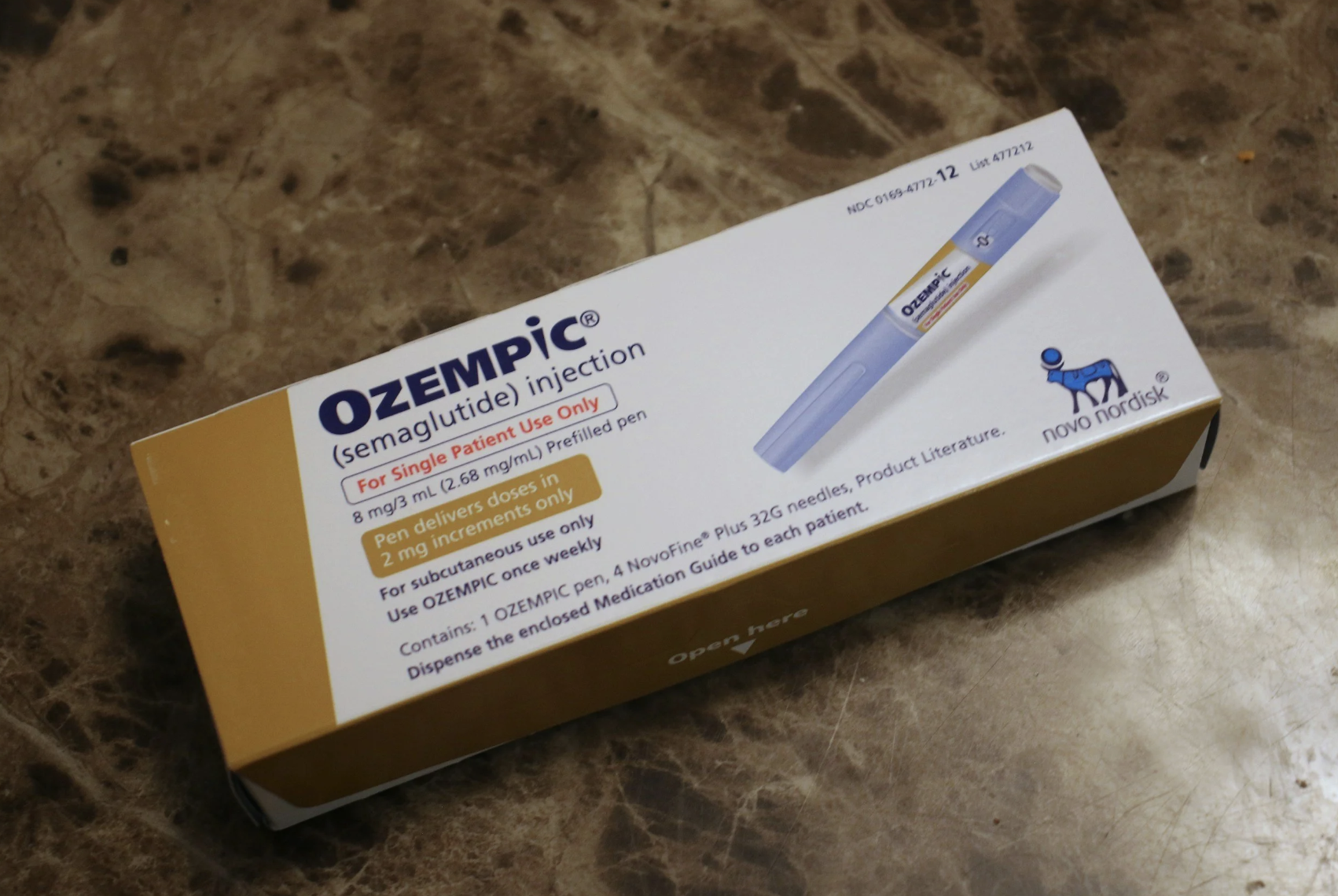
Does Ozempic Cause Hair Loss? Derm Explains Why GLP-1 Medications Cause Hair Shedding
Starting Ozempic®, Wegovy®, Mounjaro®, or Zepbound®? Learn why GLP-1 medications may cause temporary hair shedding, when it typically starts, and what you can do.
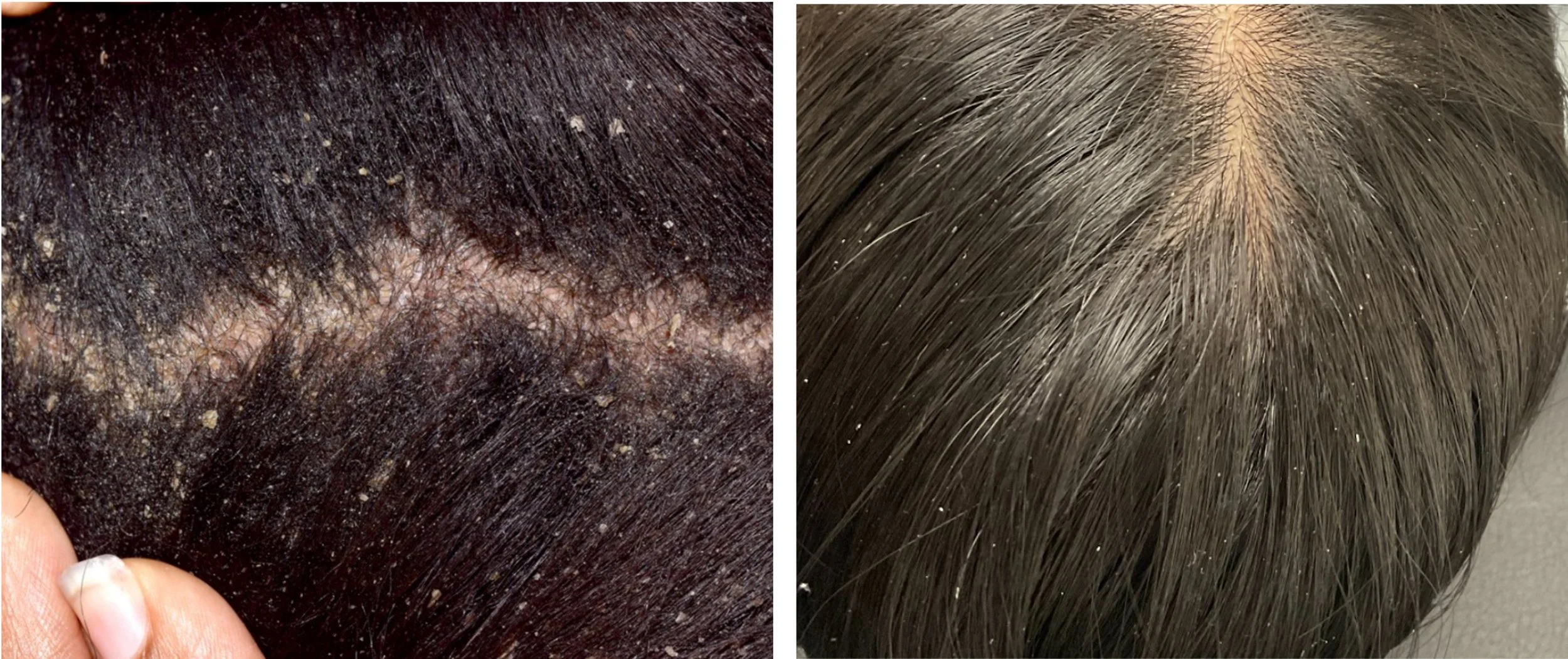
Dandruff vs. Dry Scalp: How to Tell the Difference
Not all scalp flakes are dandruff. Learn the difference between dandruff (seborrheic dermatitis) and dry scalp, including their causes, symptoms, treatments, and how to choose the right approach for a healthier scalp.
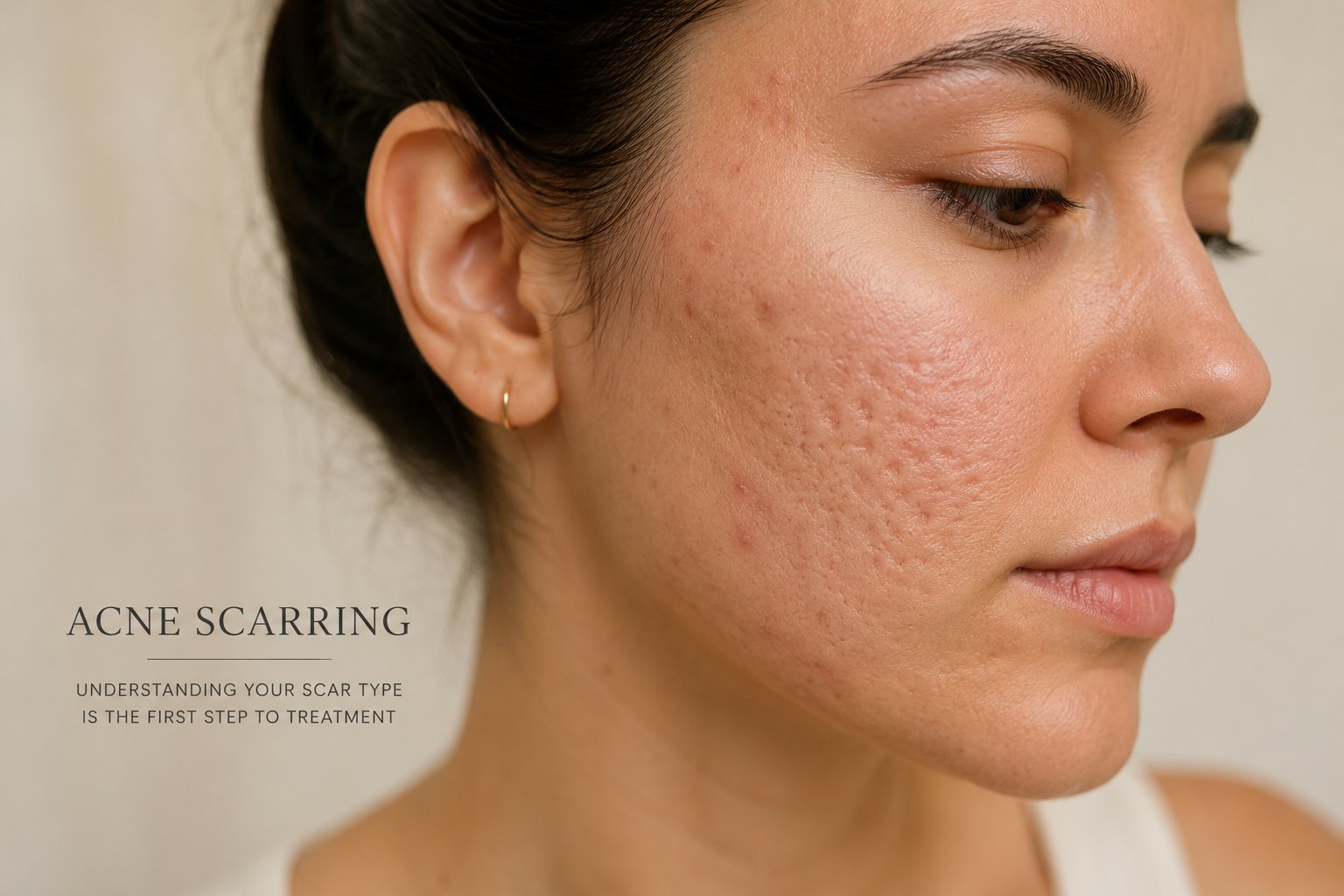
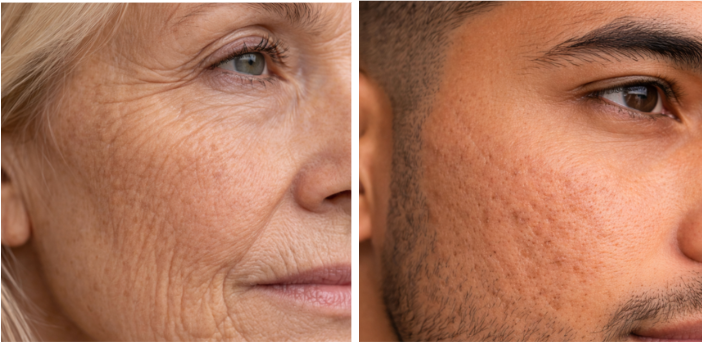
Best Treatments for Acne Scars: Which Option Is Right for You?
Acne scars don't all respond to the same treatment. Learn how dermatologists classify acne scars and which procedures—including lasers, microneedling, subcision, and TCA CROSS—work best for each type.
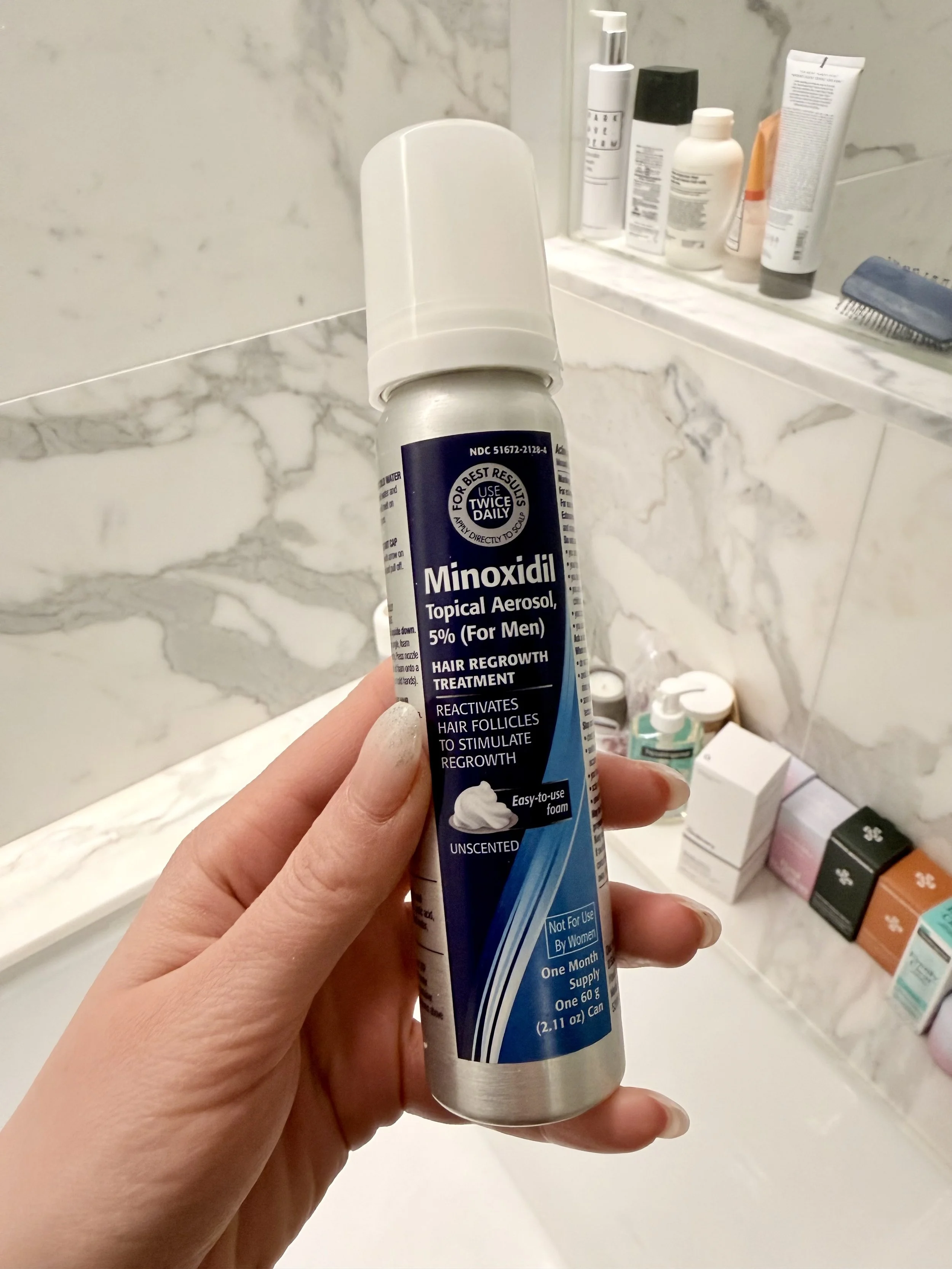
Minoxidil for Hair Loss: Benefits, Side Effects, and What to Expect
Learn how minoxidil works for hair loss, who may benefit, potential side effects, and what to expect when starting treatment.
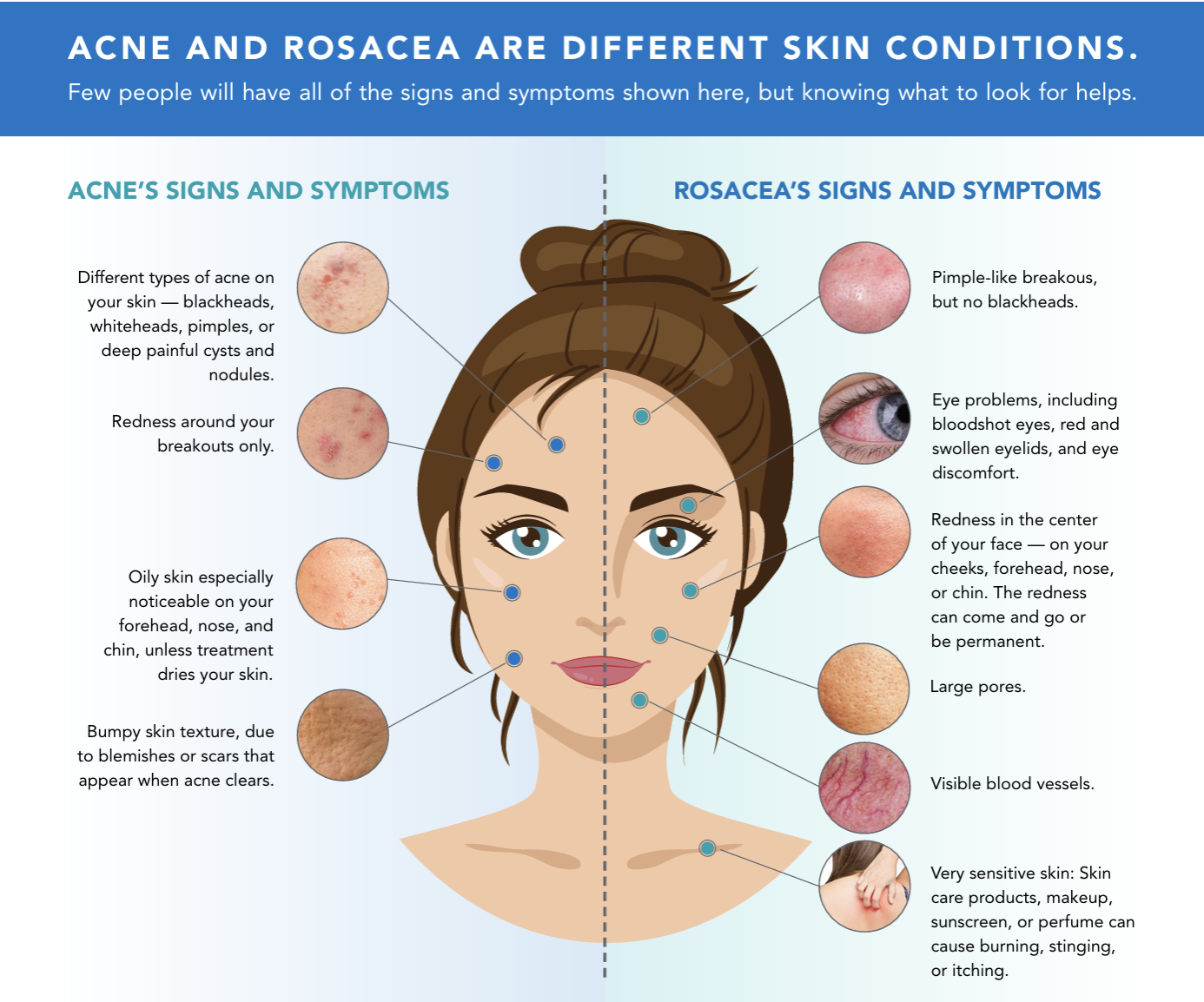
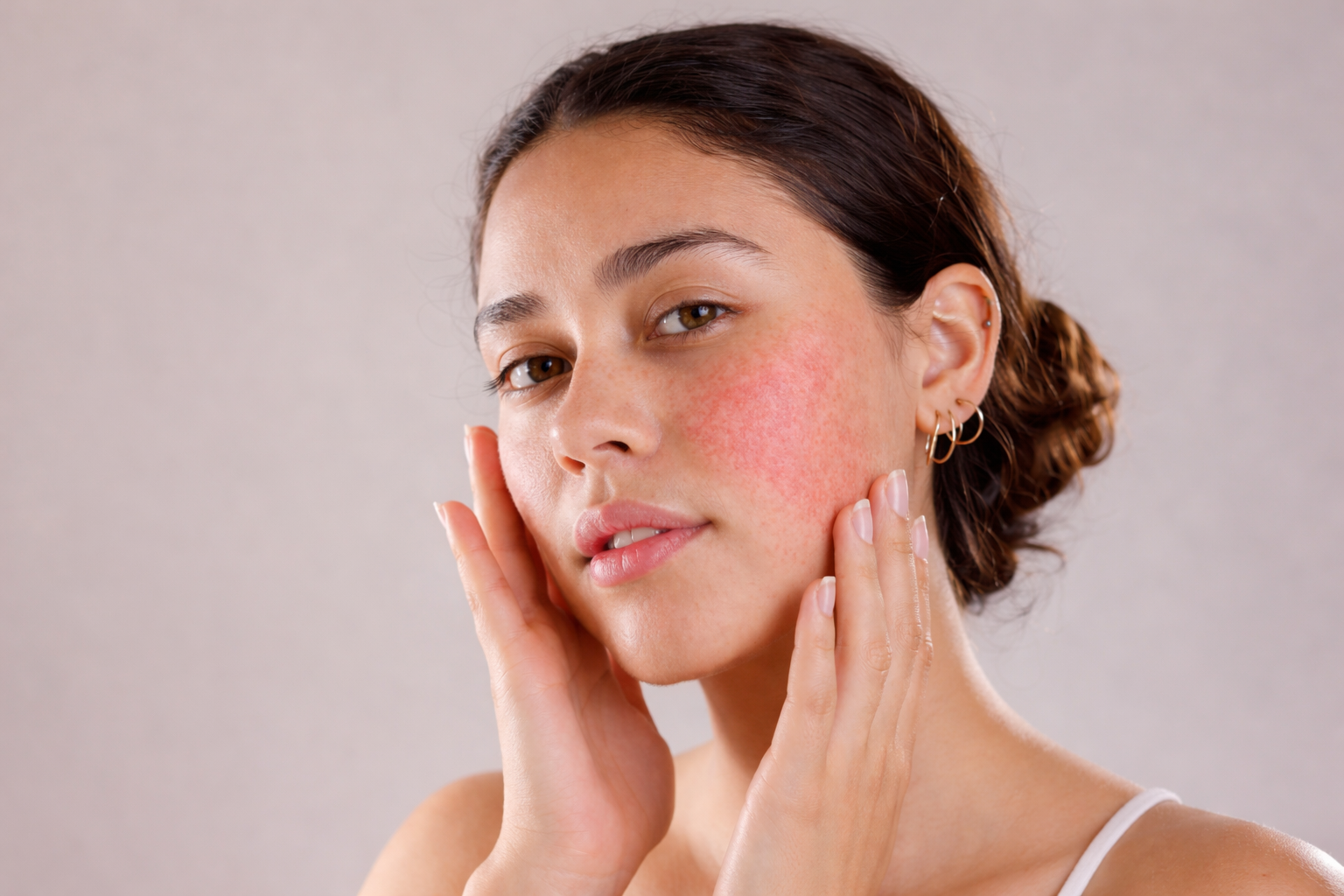
Rosacea vs Acne: How to Tell the Difference
Rosacea and acne can look surprisingly similar, but they have different causes and require different treatments. Learn how to recognize the key differences and when it's time to see a dermatologist.
When Should You See a Dermatologist? Signs It's Time for an Evaluation
Persistent acne, hair loss, dark spots, or skin irritation? Learn when it's time to see a dermatologist and how a professional evaluation can help.
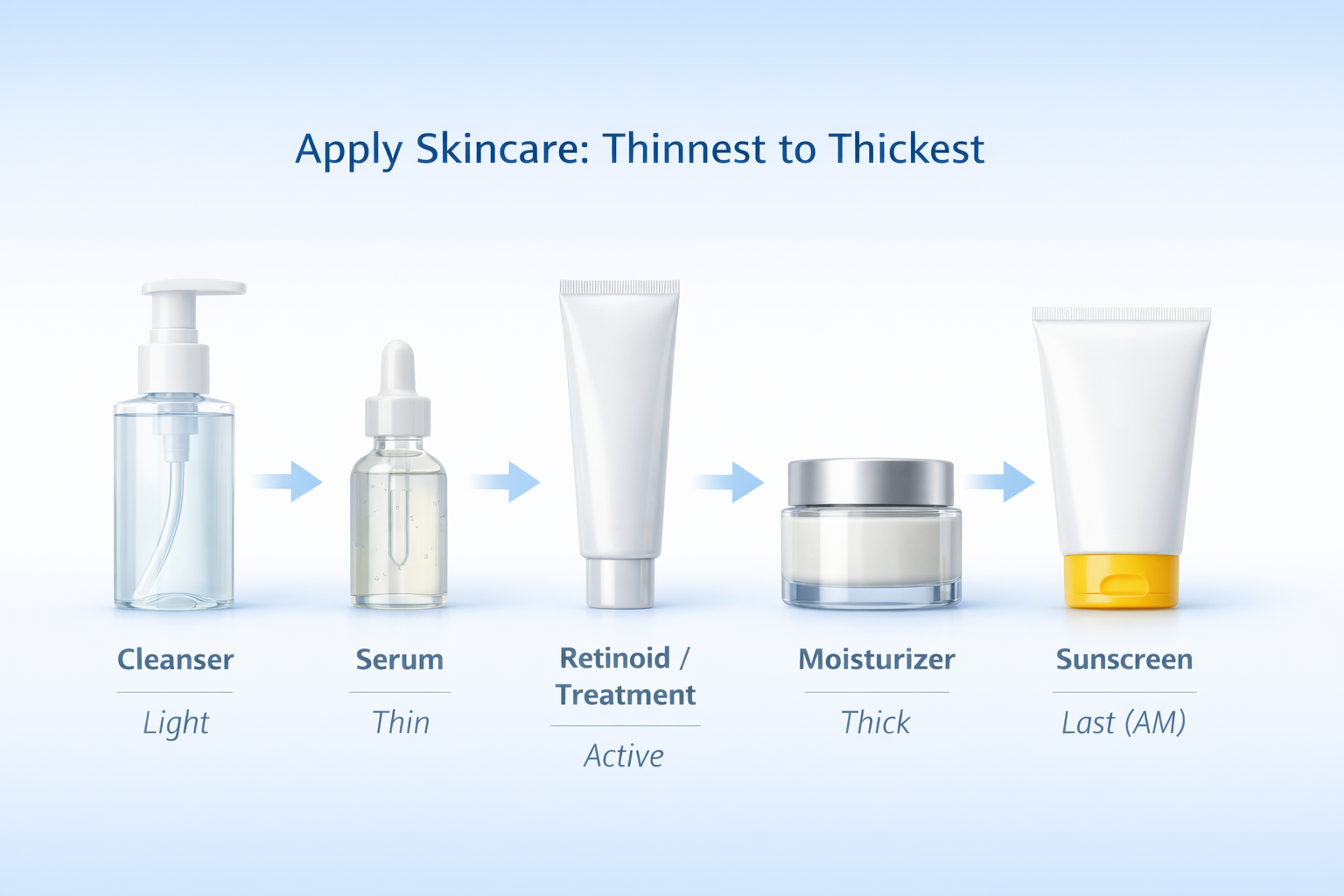
The Correct Order to Apply Your Skincare Products
Learn the correct order to apply skincare products, including vitamin C, retinoids, moisturizer, and sunscreen, to maximize results and reduce irritation.
Why Your Skincare Routine Is Making Your Skin Worse
Most people don’t need more skincare. They need less, used correctly. Using too many skincare products may damage your skin barrier and worsen irritation. Learn how to simplify.
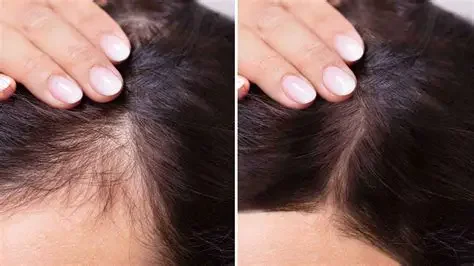
Female Hair Loss: Causes and Treatment Options
Learn the most common causes of female hair loss, including androgenetic alopecia, telogen effluvium, and hormonal changes, plus available treatments.
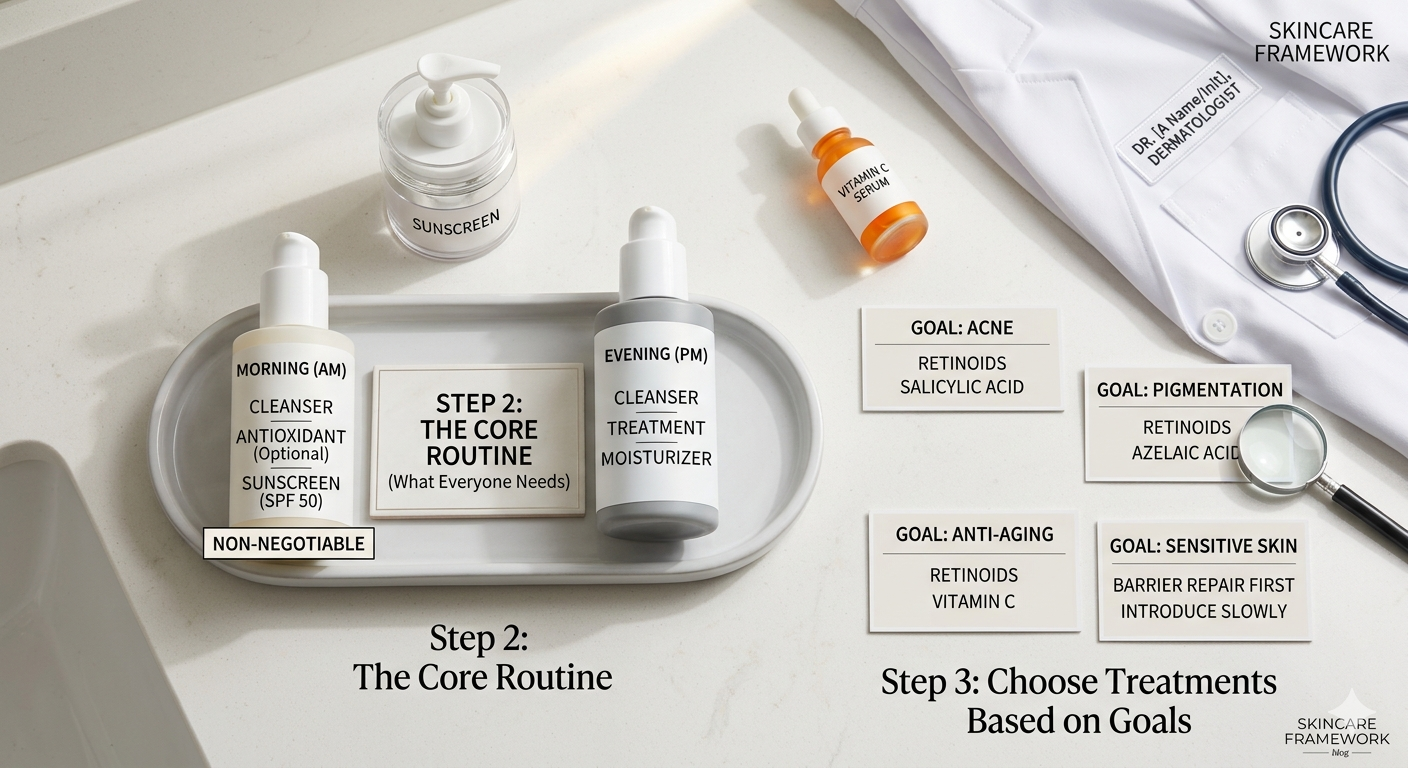
How to Build a Skincare Routine: A Dermatologist's Step-by-Step Framework
A dermatologist's step-by-step framework for building an effective skincare routine based on your skin type, goals, and common concerns.
Hair Shedding vs Hair Loss: How to Tell the Difference
Not all shedding means permanent hair loss. Understanding the difference between normal shedding and true hair loss can help determine when medical evaluation may be helpful.
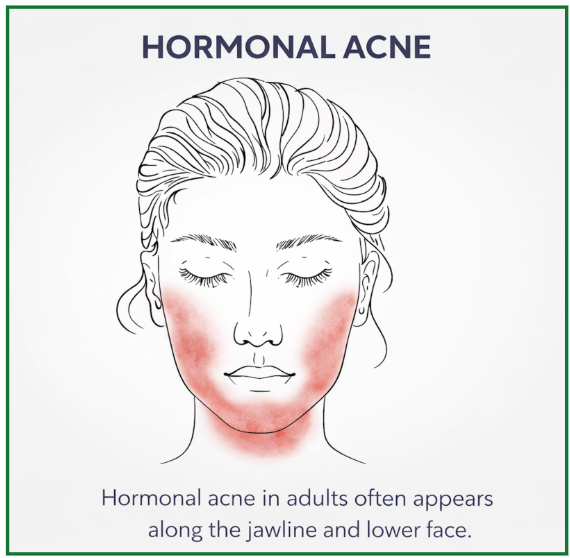
Adult Acne: Causes, Treatments, and Why It Happens in Your 20s, 30s, and Beyond
Learn what causes adult acne in your 20s, 30s, and beyond, plus the most effective treatments and when to see a dermatologist.
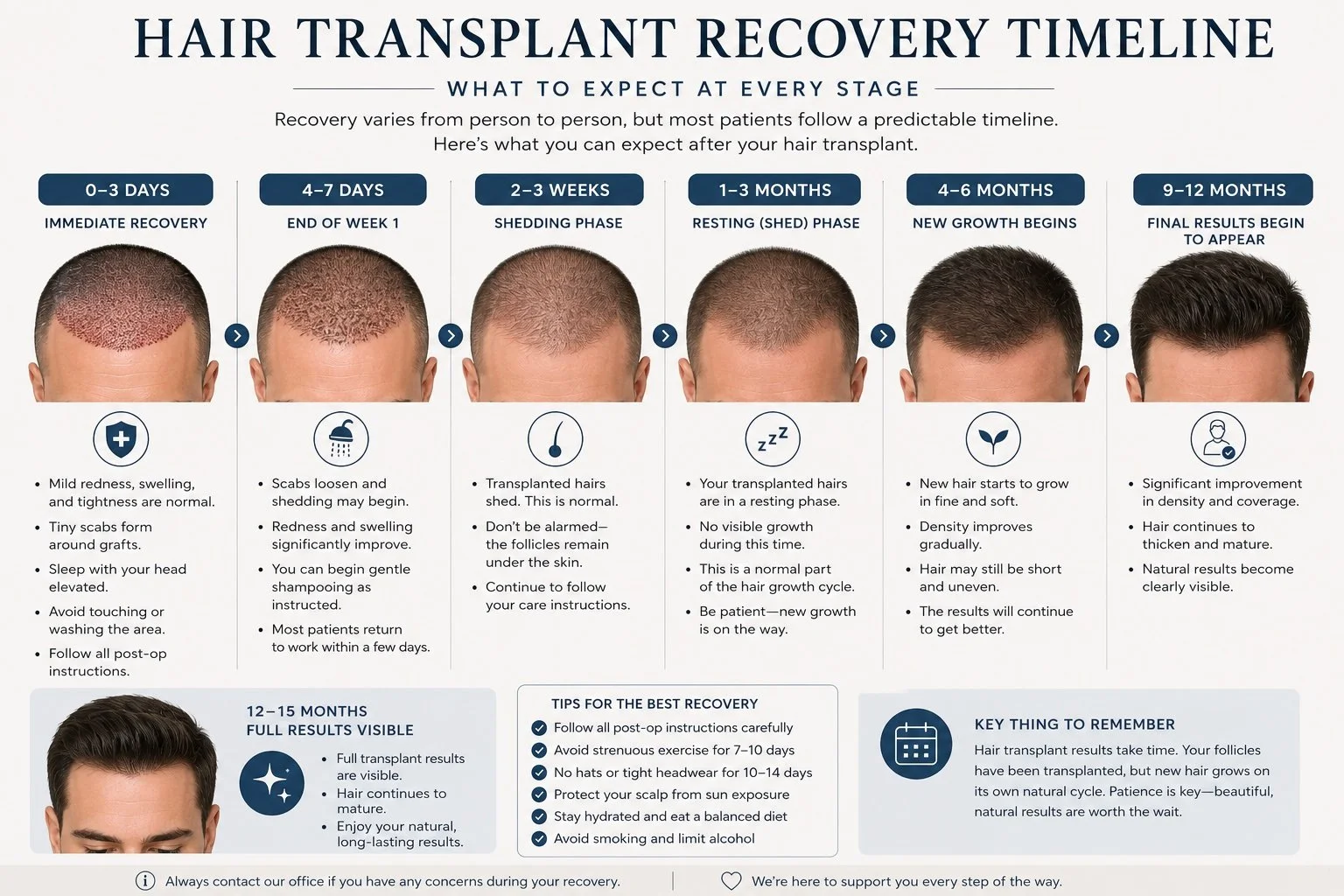
Hair Transplant Recovery Timeline: What to Expect After Surgery
Learn what to expect after a hair transplant, including recovery, healing, scab removal, hair shedding, and when you'll see new hair growth.
How to Choose the Right Laser Treatment for Your Skin
Learn how to choose the right laser treatment based on your skin concerns, why wavelength matters, and which lasers work best for different conditions.
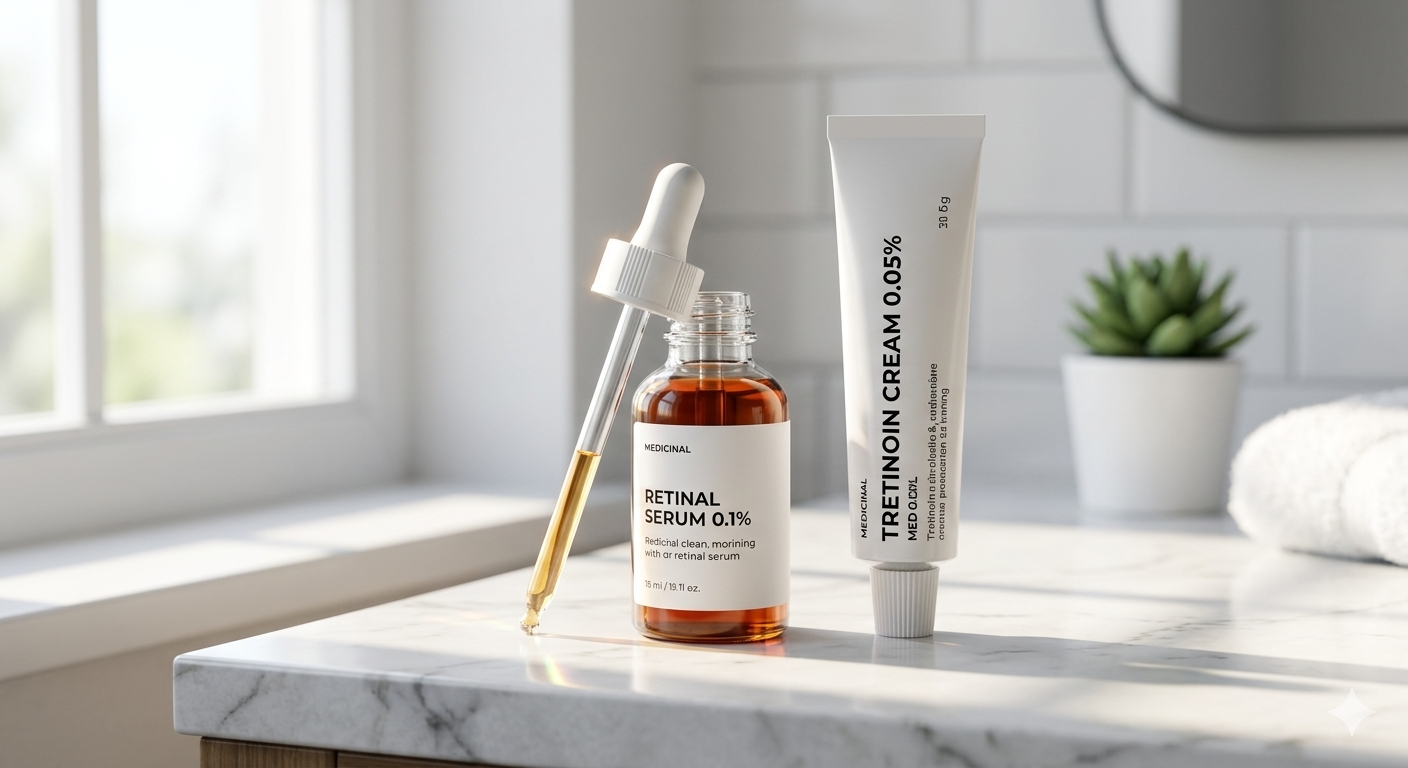
Retinoids Explained: What They Do and How to Use Them
Learn how retinoids improve acne, pigmentation, and wrinkles, plus the differences between retinol, retinal, and prescription retinoids.
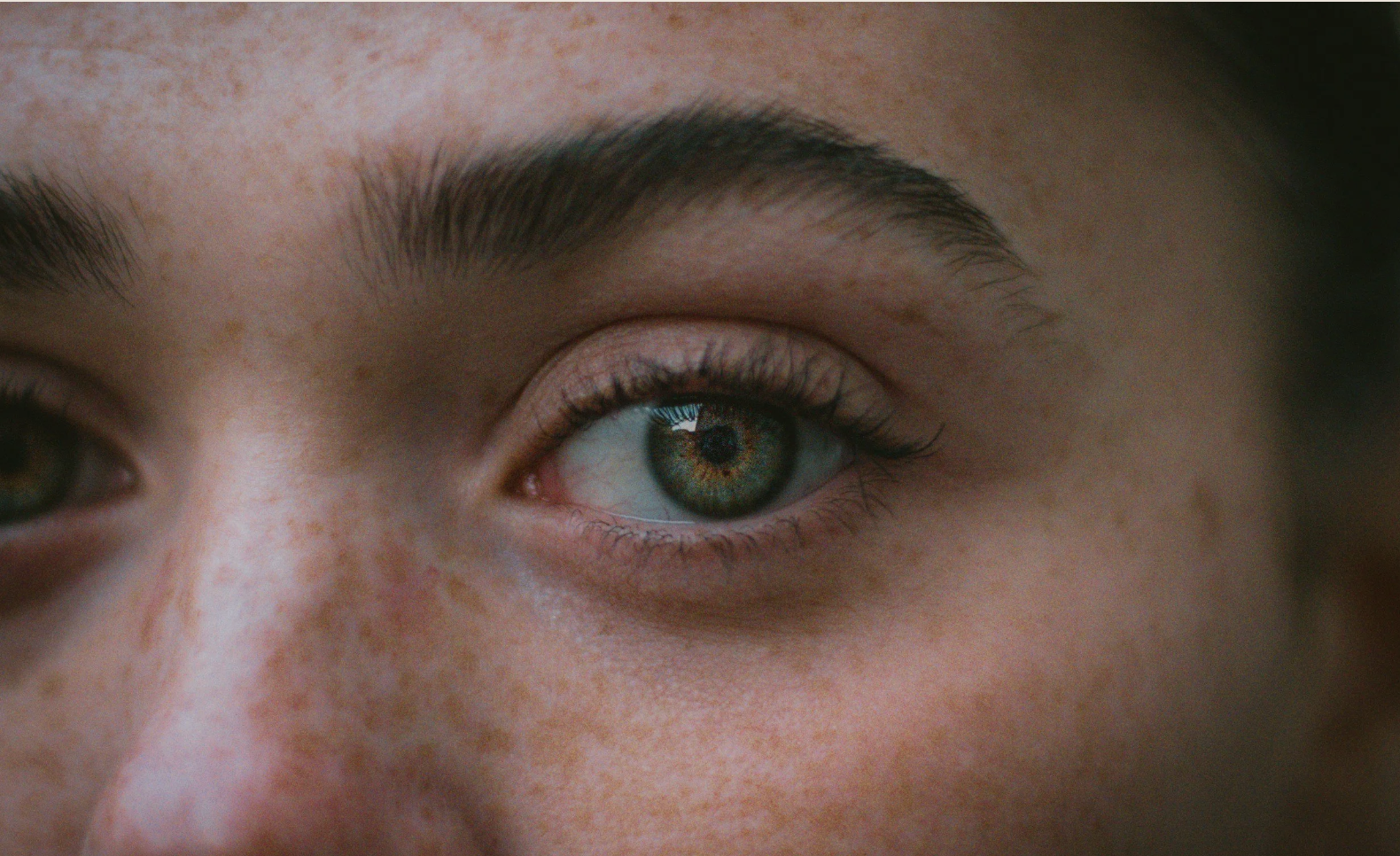
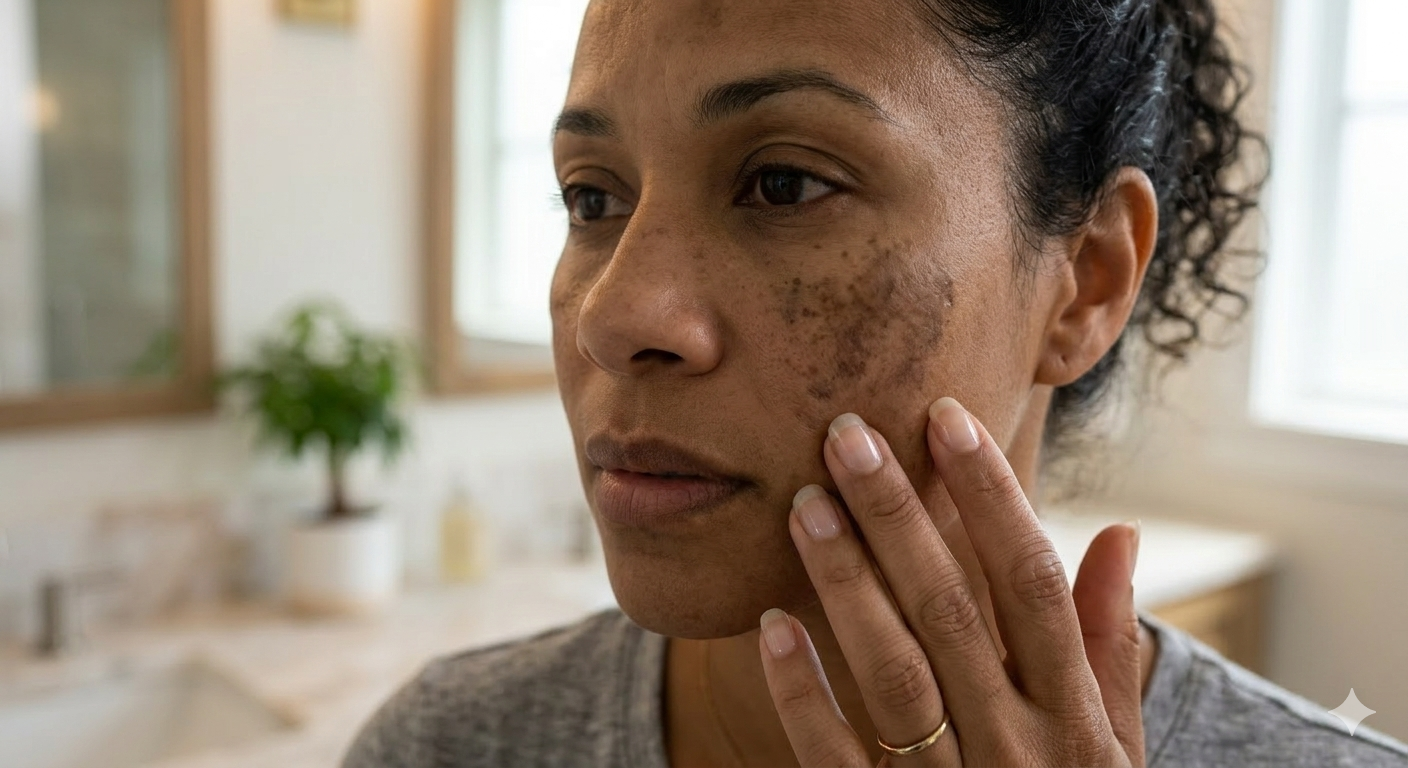
Melasma: Causes, Treatment, and Why It’s So Difficult to Treat
Learn what causes melasma, why it recurs, and the most effective treatments to manage facial pigmentation and prevent flare-ups.
Am I a Good Candidate for a Hair Transplant?
Learn who is a good candidate for a hair transplant, the factors dermatologists consider, and when medical treatment should come first.
What Causes Dark Marks After Acne?
Discover why dark marks develop after acne, what post-inflammatory hyperpigmentation is, and how dermatologists treat and prevent it.
Learn what causes adult acne in your 20s, 30s, and beyond, plus the most effective treatments and when to see a dermatologist.