
How to Choose the Right Laser Treatment for Your Skin
Laser treatments are one of the most effective tools in dermatology, but they’re also one of the most misunderstood.
Many patients assume that the brand name of the lasermatters most. Patients often ask which laser is "the best." In reality, there is no single best laser. Different wavelengths target different structures in the skin, which is why a laser that works well for redness may do very little for pigmentation or acne scars.
Different lasers are designed to target different structures, including:
Blood vessels (redness)
Pigment/Melanin (brown spots)
Water in the skin (texture and resurfacing)
Melanin in hair follicles (hair removal)
Understanding what your skin concern actually is, and choosing the laser designed to treat that target, is the key to getting good results.
Lasers for Redness
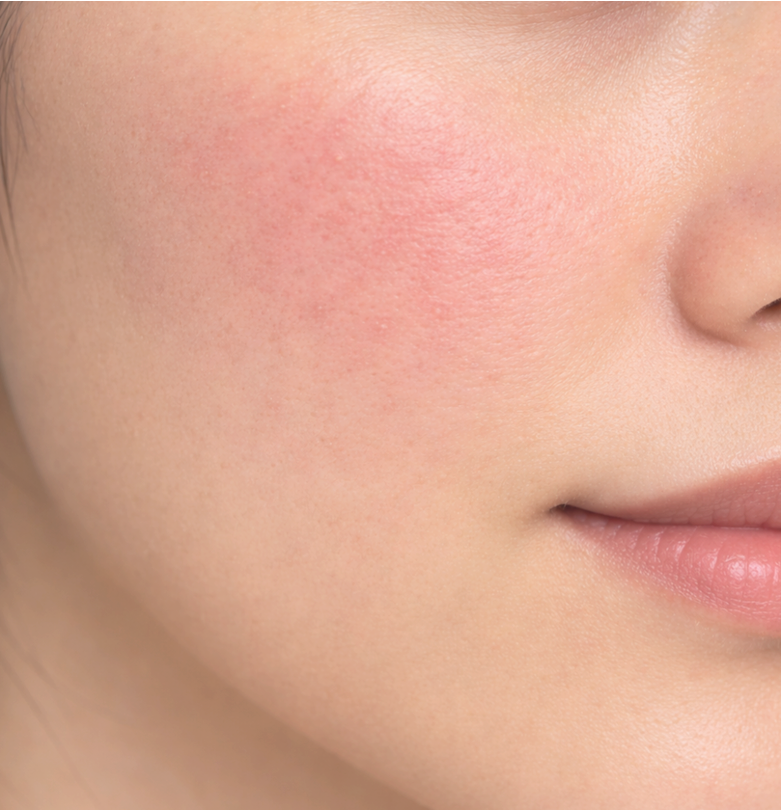
Some lasers are designed to target blood vessels in the skin, making them effective for redness and vascular conditions.
Common options include:
Pulsed Dye Laser (PDL – Vbeam)
Often used for visible capillaries, rosacea, and persistent redness.
532 / 1064 nm vascular lasers (Excel V, DermaV)
These lasers treat vascular lesions and can be safer options for patients with deeper skin tones.
IPL / BBL (Intense Pulsed Light)
Often used for diffuse redness and overall skin tone improvement.
Laser treatments in this category are commonly used for:
Rosacea
Flushing that lingers
Broken capillaries
Red acne scars
Cherry angiomas
One important point: not all redness is treated the same way, and selecting the correct wavelength matters.
Lasers for Pigment
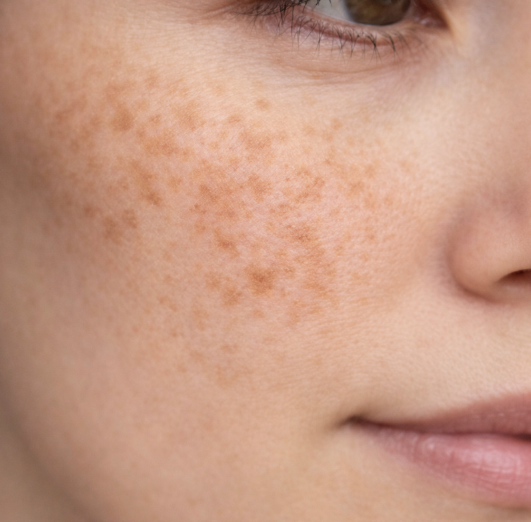
Lasers that target pigment (melanin) are used to treat brown spots and uneven skin tone.
Common treatments include:
IPL / BBL
Often used for scattered sun damage and overall tone improvement.
Pico lasers (PicoSure, PicoWay)
Useful for stubborn pigment and tattoo ink.
1927 nm thulium lasers (Fraxel 1927, LaseMD)
Often used for superficial pigment and mild skin rejuvenation.
These treatments are commonly used for:
Sunspots
Freckles
Uneven pigmentation
Post-acne dark marks
However, melasma requires a different approach. Certain lasers, and excessive heat, can actually worsen melasma, which is why treatment needs to be individualized.
Lasers for Texture and Skin Resurfacing
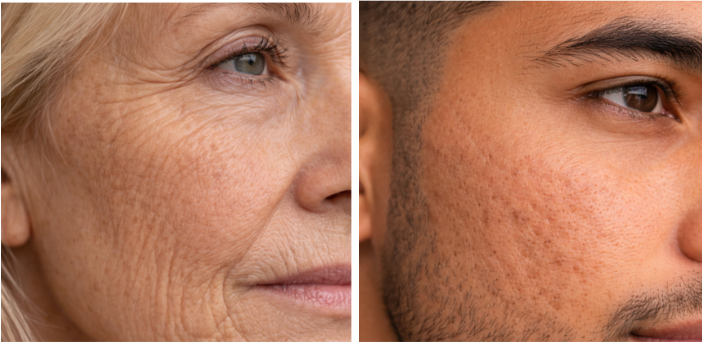
Other lasers target water within the skin, allowing them to resurface damaged tissue and stimulate collagen. These treatments are often chosen when patients are seeking overall skin rejuvenation rather than treatment of a single isolated spot or vessel.
Examples include:
Ablative lasers (CO₂, Er:YAG)
Used for deeper wrinkles and significant acne scarring.
1550 nm fractional lasers (Fraxel 1550)
Often used for acne scars and texture improvement.
1927 nm thulium lasers (Fraxel 1927, LaseMD)
Used for more superficial rejuvenation.
These treatments can address concerns such as:
Fine lines
Rough skin texture
Enlarged pores
Crepey skin
In general, stronger resurfacing lasers produce more dramatic results but require more downtime.
Lasers for Hair Removal
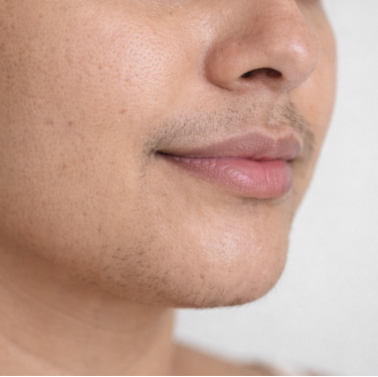
Laser hair removal works by targeting melanin in the hair follicle, damaging the follicle and reducing hair growth over time.
Common wavelengths include:
755 nm Alexandrite lasers
Often work best for lighter skin tones.
810 nm diode lasers
A versatile option used for many skin types.
1064 nm Nd:YAG lasers
Often the safest option for patients with deeper skin tones.
Laser hair removal is most effective for:
Dark, coarse hair
Ingrown hairs
Razor bumps
Folliculitis
Hair color and skin tone play a major role in determining which laser is safest and most effective.
Before You Book a Laser Treatment
Choosing the right laser is not about picking the newest device or the most popular brand. The key factors include:
The target in the skin (blood vessels, pigment, texture, or hair)
Skin tone, which affects safety and settings
The strength of the treatment and expected downtime
The number of sessions required
Your underlying skin condition
Because of these variables, a proper consultation is essential to determine which treatment will provide the best outcome.
The Bottom Line
Laser treatments can dramatically improve redness, pigmentation, texture, and unwanted hair—but the right treatment depends on the specific concern being treated.
The most important factor is not the brand of the laser, but choosing the correct wavelength and technology for your skin.
If you are considering laser treatment, a consultation with a dermatologist can help determine which option is safest and most effective for your skin type and goals.
About the Author
Dr. Dawn Queen, MD is a board-certified dermatologist in New York City specializing in medical dermatology, cosmetic dermatology, and hair loss. She serves as a Clinical Assistant Professor of Dermatology at Columbia University and completed an ISHRS-accredited hair restoration fellowship.
Learn more about Dr. Queen.
Frequently Asked Questions
Are Laser Treatments Safe for Darker Skin Tones?
Laser treatments can be performed safely on deeper skin tones, but the choice of wavelength and treatment settings is critical.
Some lasers interact strongly with pigment in the epidermis, which can increase the risk of post-inflammatory hyperpigmentation. For this reason, dermatologists often select wavelengths that penetrate deeper into the skin and avoid excessive surface heating.
For example, 1064 nm lasers are often considered safer options for treating vascular concerns or performing hair removal in patients with darker skin tones.
Careful device selection, conservative settings, and treatment by an experienced clinician are important to minimize risks.
Which Laser Is Best For Me?
The best laser depends on the concern being treated. Lasers designed for redness are different from those used for pigmentation, acne scars, resurfacing, or hair removal. A consultation helps identify the target in the skin and select the most appropriate wavelength and technology.
How Many Laser Treatments Will I Need?
Most laser treatments require multiple sessions rather than a single treatment.
The number of treatments depends on the condition being treated. Typical ranges include:
Redness or vascular treatments: 2–4 sessions
Pigmentation and sun damage: 2–3 sessions
Laser hair removal: 6–8 sessions or more
Resurfacing treatments: 1–3 sessions depending on intensity
Treatments are usually spaced several weeks apart to allow the skin to heal and respond to the laser energy.
Why Do Different Clinics Recommend Different Lasers?
Patients are often confused when different clinics recommend different devices for the same concern.
The reason is that many lasers can treat the same problem, but they work in slightly different ways. The most important factor is not the brand name of the device, but the wavelength and the target in the skin.
In dermatology, lasers are typically chosen based on whether they target:
Blood vessels (redness)
Pigment (brown spots)
Water in the skin (resurfacing and texture)
Melanin in hair follicles (hair removal)
A consultation helps determine which technology is most appropriate for a patient’s skin type and goals.
How Should I Prepare for a Laser Treatment?
Preparation depends on the type of laser being used, but a few general guidelines apply to most treatments.
Patients are usually advised to:
Avoid sun exposure and tanning for several weeks before treatment
Stop retinoids or irritating skincare a few days beforehand (if advised by your dermatologist)
Avoid waxing or plucking before laser hair removal treatments
Arrive with clean skin free of makeup, lotions, or sunscreen
Sun protection is especially important. Treating recently tanned skin increases the risk of burns or post-inflammatory pigmentation, which is why dermatologists often delay laser procedures if there has been recent sun exposure.
Your provider will give specific instructions based on the type of laser and the area being treated.
What Is the Downtime After Laser Treatment?
Downtime varies widely depending on the type and strength of the laser used.
Some treatments have minimal recovery time, while others require several days of healing.
Typical ranges include:
Vascular lasers (for redness)
Mild swelling or redness for a few hours to a few days.
Pigment treatments (IPL, thulium lasers)
Temporary darkening of pigment followed by flaking over several days.
Laser hair removal
Minimal downtime, most patients return to normal activities the same day.
Resurfacing lasers (CO₂ or fractional lasers)
Several days to a week of redness, swelling, and peeling depending on treatment depth.
Stronger resurfacing treatments generally produce more dramatic results but require more recovery time.
