
When Should You See a Dermatologist? Signs It's Time for an Evaluation
There comes a point where trying more products stops being helpful.
Many patients come in after spending months, or even years, adjusting their routines, switching products, and trying to troubleshoot on their own.
In many cases, their routine isn't the problem. The problem is that the underlying condition hasn't been correctly identified. Skin conditions such as acne, rosacea, eczema, melasma, seborrheic dermatitis, and hair loss , can look similar to other conditions but require very different treatment approaches.
An accurate diagnosis is often the most important step toward choosing the right treatment.
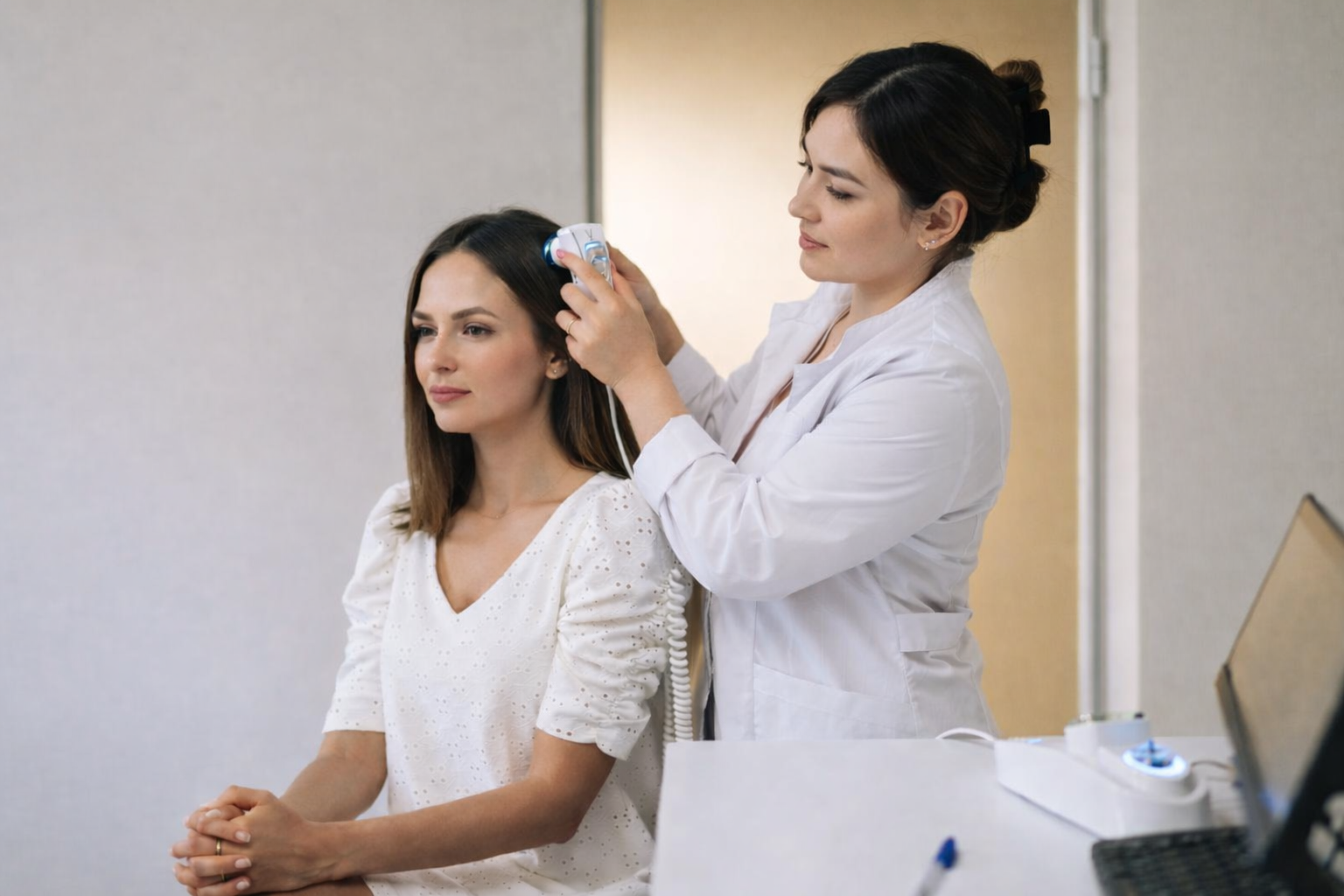
Persistent Rashes
Rashes that don't improve with over-the-counter treatments may represent conditions such as:
eczema
seborrheic dermatitis
psoriasis
allergic contact dermatitis
fungal infections
Many rashes can look similar but require completely different treatments.When Skincare Alone Isn’t Enough
Skincare can be effective for many concerns.
However, not all conditions respond to over-the-counter products.
When symptoms persist despite a consistent routine, it is often a sign that a more targeted evaluation is needed.
Common Situations Where Evaluation Helps
Changing Moles or New Skin Growths
A dermatologist should evaluate any mole or skin growth that is changing, new, or simply doesn't seem quite right.
Signs that warrant evaluation include:
A mole that changes in size, shape, or color
A spot that bleeds, crusts, or doesn't heal
A lesion that is itchy, painful, or tender
A mole that looks different from your other moles (the "ugly duckling" sign)
Early evaluation is important because skin cancer, including melanoma, is often most treatable when detected early. Even if a spot turns out to be benign, it's always better to have it evaluated if you're concerned.
Persistent Acne
Breakouts that continue despite appropriate skincare may be influenced by:
hormonal factors
inflammation beyond what topical products can control
the need for prescription-strength treatments
Persistent Redness or Rosacea
Facial redness isn't always simply "sensitive skin." Persistent redness, visible blood vessels, flushing, or acne-like bumps may be signs of rosacea, a chronic inflammatory skin condition.
Because rosacea can worsen over time without appropriate treatment, early diagnosis and management can help control symptoms and prevent progression.
Pigmentation That Doesn’t Fade
Not all pigmentation is the same.
Conditions such as melasma, post-inflammatory hyperpigmentation, and sun-related changes require different treatment approaches.
Without identifying the type of pigmentation, results may be limited.
Persistent Rashes
Rashes that don't improve with over-the-counter treatments may represent conditions such as:
eczema
psoriasis
allergic contact dermatitis
fungal infections
Many rashes can look similar but require completely different treatments.
Ongoing Irritation or Sensitivity
If the skin remains reactive even after simplifying a routine, this may suggest:
underlying dermatitis
barrier dysfunction that requires targeted treatment
sensitivity to specific ingredients
Hair Shedding or Thinning
Hair loss is often multifactorial and may involve:
hormonal changes
nutritional deficiencies
genetic predisposition
inflammatory or autoimmune conditions
Early evaluation is important, as some forms of hair loss can progress if left untreated.
Why Diagnosis Matters
Many skin and hair conditions can look nearly identical but have completely different causes. For example, an itchy, flaky scalp may be caused by dandruff (seborrheic dermatitis), dry scalp, psoriasis, eczema, or an allergic reaction to a hair product. Although these conditions may appear similar, the treatments are often very different.
Because of this, using multiple products without a clear diagnosis can:
delay effective treatment
lead to unnecessary irritation
make it harder to identify what is actually helping
A more precise diagnosis allows for a more targeted and often simpler approach.
What a Dermatology Evaluation Provides
A dermatology visit is not about adding more products.
In many cases, it involves:
identifying the underlying condition
simplifying the routine
selecting targeted treatments based on that diagnosis
This often leads to more consistent and predictable results.
Dermatologists Can Also Help With Cosmetic Concerns
Dermatologists don't just diagnose and treat medical conditions. Tthey also help patients address cosmetic concerns that can't be improved with skincare alone.
Examples include:
Fine lines and wrinkles
Volume loss
Acne scars
Unwanted pigmentation
Sun damage
Skin texture concerns
An individualized treatment plan may include in-office procedures, prescription skincare, or a combination of approaches based on your goals.
When to Consider Scheduling a Visit
You may benefit from an evaluation if you notice:
acne that does not improve with consistent skincare
pigmentation that persists despite treatment
ongoing irritation or sensitivity
hair shedding or thinning that feels progressive
scalp symptoms such as itching, burning, or discomfort
a new, changing, or concerning mole or skin growth
The Bottom Line
Skincare can be helpful, but it has limits.
When a condition is persistent or unclear, the next step is often not a new product - it is a more accurate diagnosis.
A targeted approach, based on that diagnosis, is often more effective than continuing to adjust products on your own.
If you're experiencing persistent acne, pigmentation, irritation, hair loss, or scalp symptoms, a dermatologic evaluation can help identify the underlying cause and create a more targeted treatment plan.
About the Author
Dr. Dawn Queen, MD is a board-certified dermatologist in New York City specializing in medical dermatology, cosmetic dermatology, and hair loss. She serves as a Clinical Assistant Professor of Dermatology at Columbia University and completed an ISHRS-accredited hair restoration fellowship.
Learn more about Dr. Queen.
Frequently Asked Questions
How long should I try a skincare routine before seeing a dermatologist?
In many cases, it is reasonable to give a consistent routine several weeks to a few months, depending on the concern. If there is no improvement—or if symptoms worsen—evaluation may be helpful.
Can a dermatologist simplify my routine?
Yes. In many cases, routines are simplified rather than expanded. The focus is on using targeted treatments that address the underlying issue.
Will I always need prescription treatments?
Not necessarily. Some conditions can be managed with over-the-counter products once the correct diagnosis is made. Others may benefit from prescription options.
Should I have my moles checked even if they don't bother me?
Many skin cancers do not cause pain or other symptoms in their early stages. If you notice a mole or skin lesion that is new, changing, or different from your other moles, it's a good idea to have it evaluated. Routine skin examinations may also be recommended for people with a personal or family history of skin cancer or significant sun exposure.
What should I bring to a dermatology appointment?
It is helpful to bring a list of current products, medications, and a timeline of symptoms. This can help guide evaluation and treatment decisions.
Is hair loss always permanent?
Not always. Many forms of hair loss are reversible or can be stabilized, especially when identified early. This is why timely evaluation is important.
