
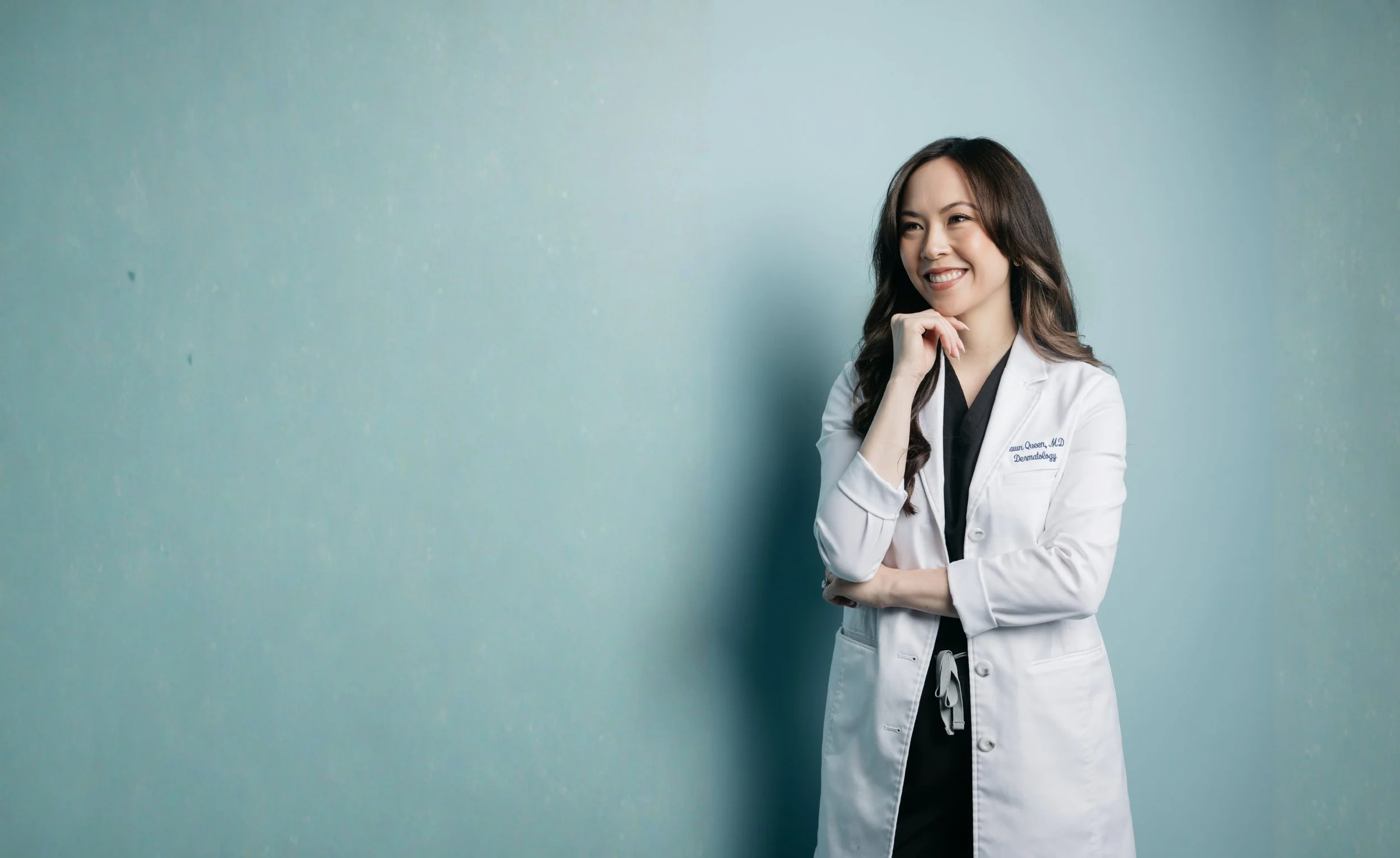
Board-Certified Dermatologist
Dawn Queen, MD
Evidence-based care for skin and scalp.
Meet Dr. Queen
Dr. Dawn Queen is a board-certified dermatologist located on the Upper East Side of New York City with specialized training in hair loss and hair restoration. She provides comprehensive dermatologic care across medical dermatology, cosmetic treatments, and scalp health.
Her clinical approach combines advanced dermatologic research with individualized treatment strategies to address each patient’s unique skin and hair concerns.
Featured Expertise
Common Skin Conditions
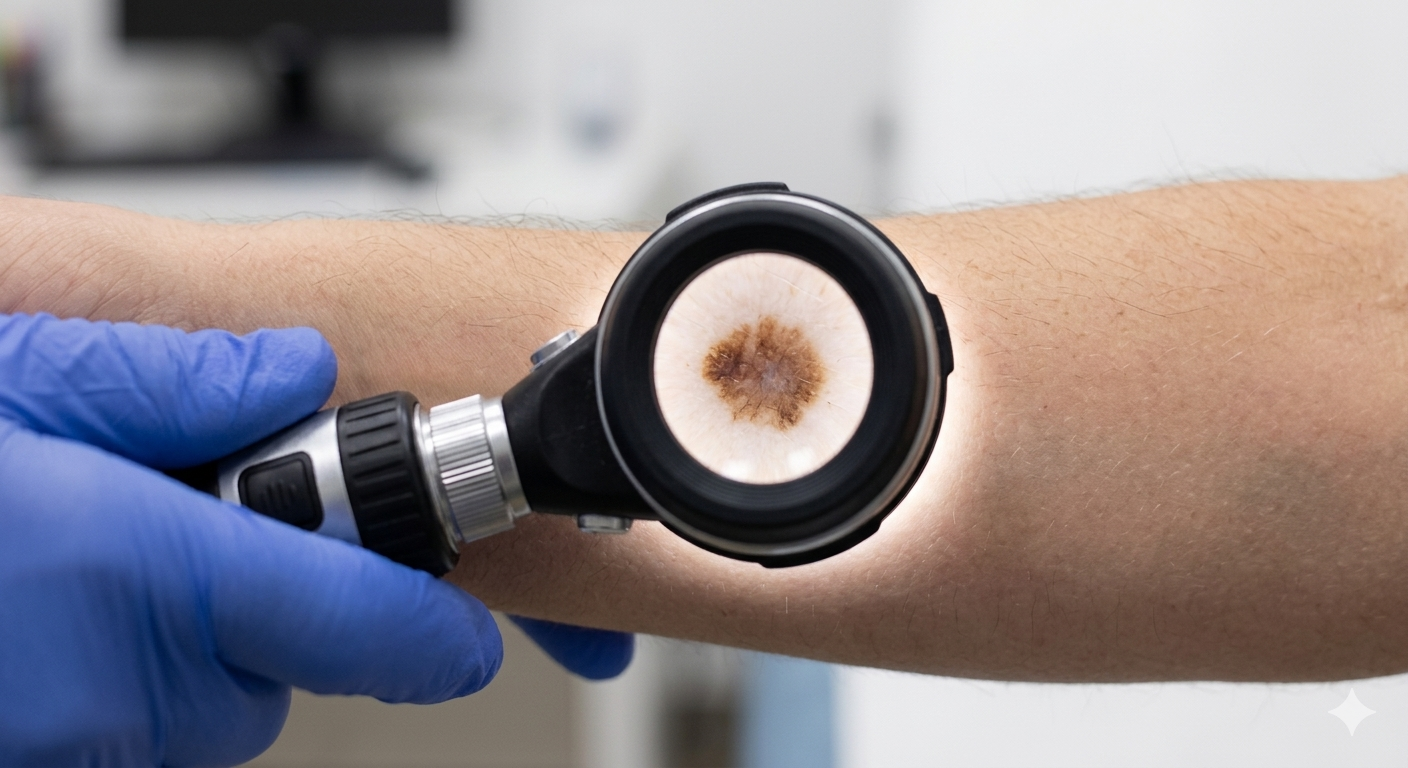
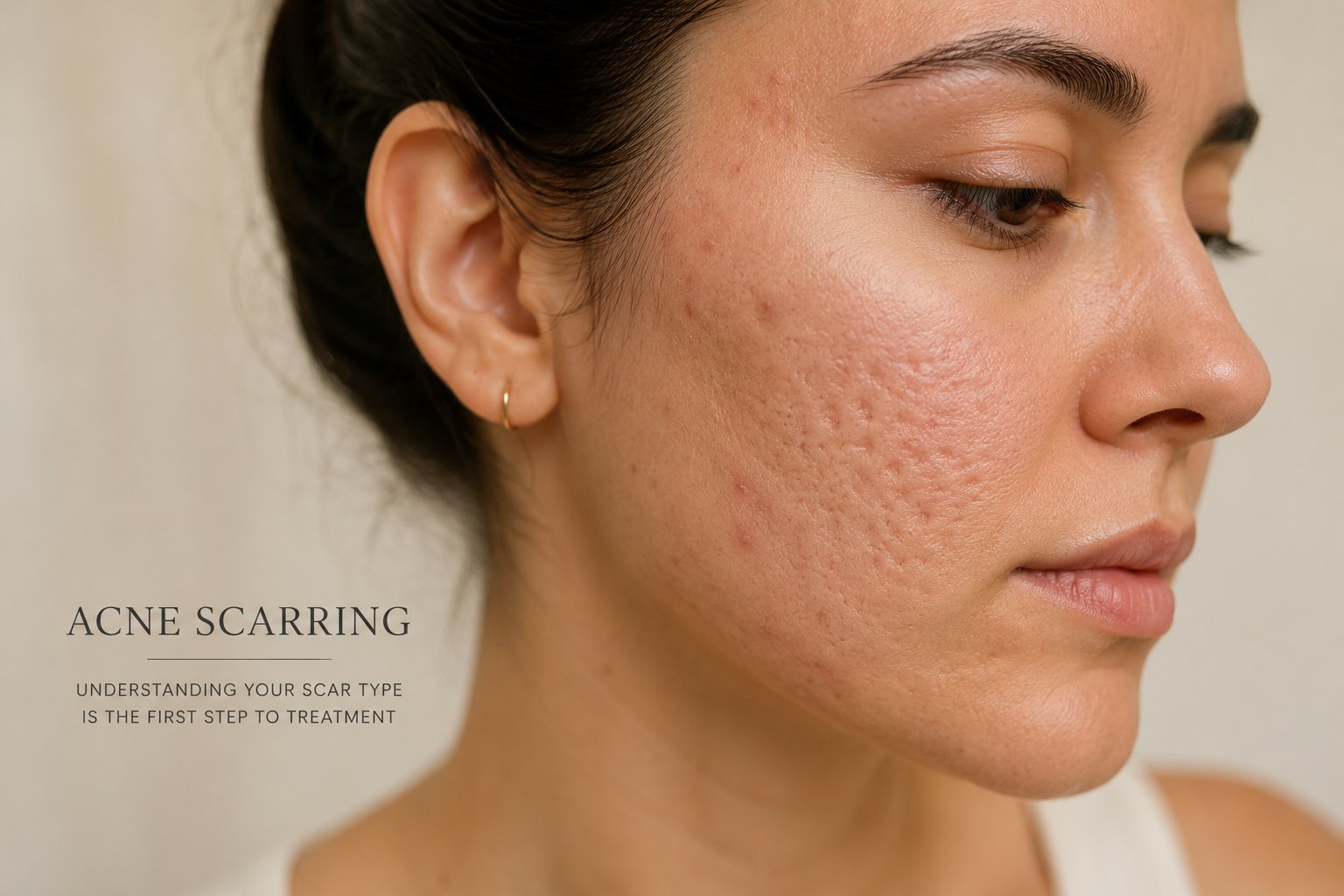
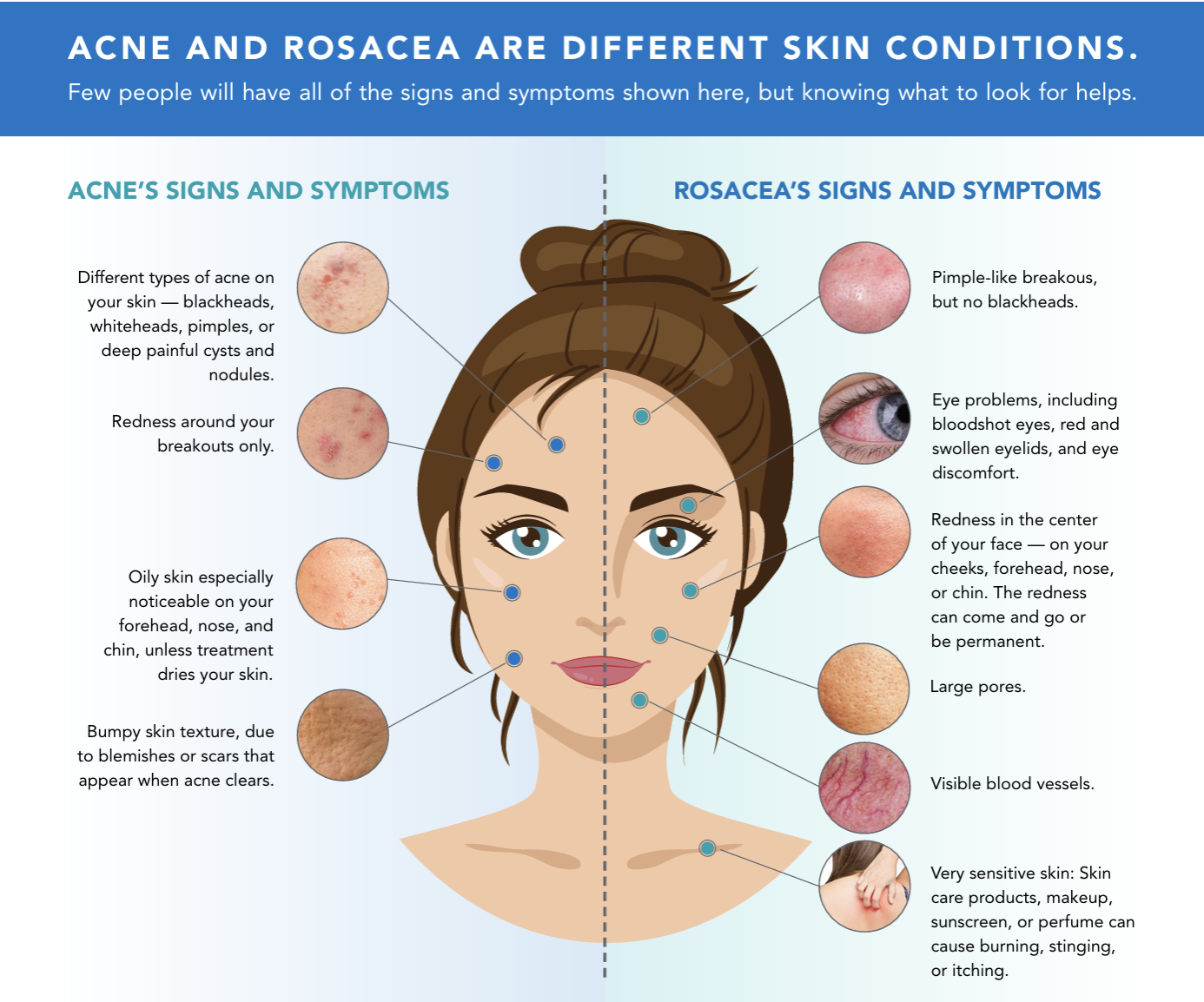
From acne to chronic skin conditions, Dr. Queen can diagnose and treat the underlying cause to improve both skin health and confidence.
Hair Loss & Hair Transplant
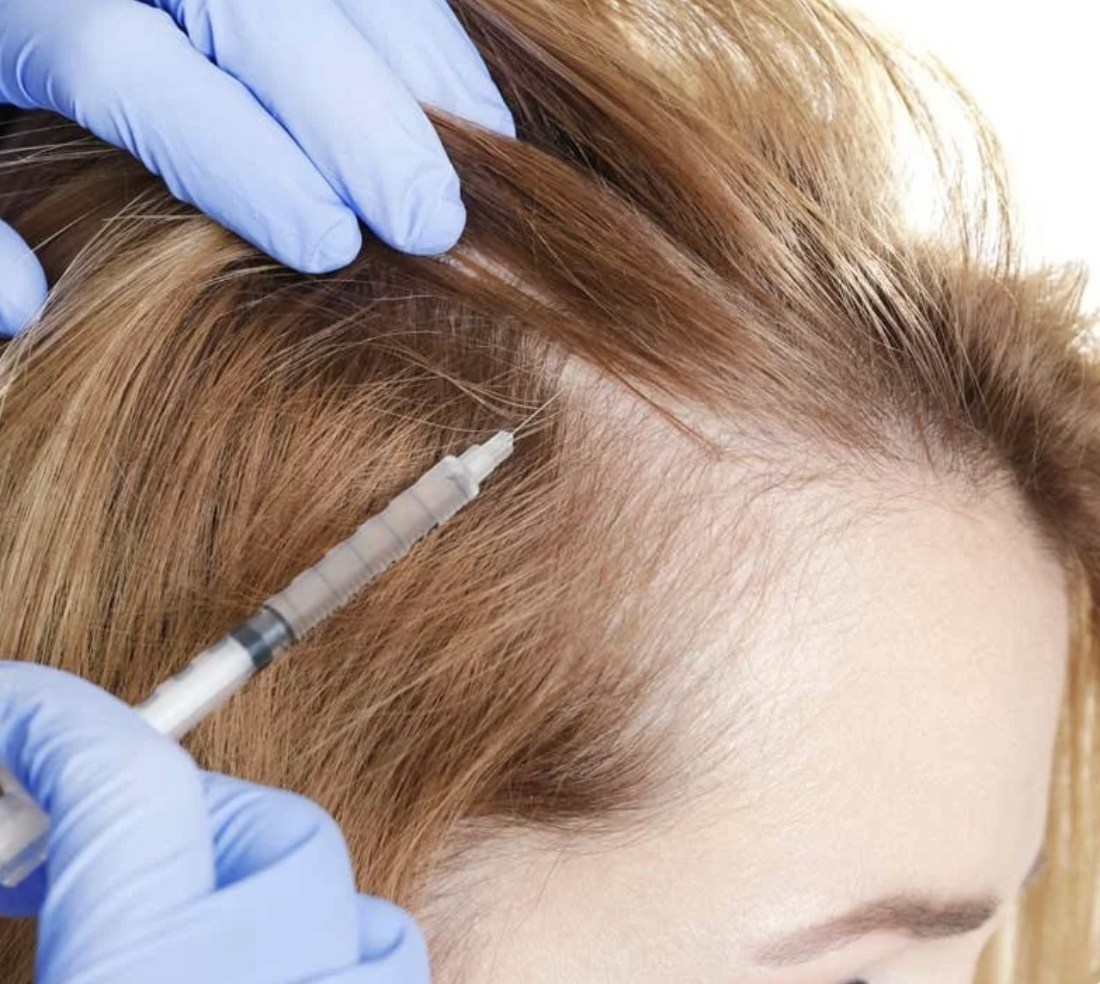
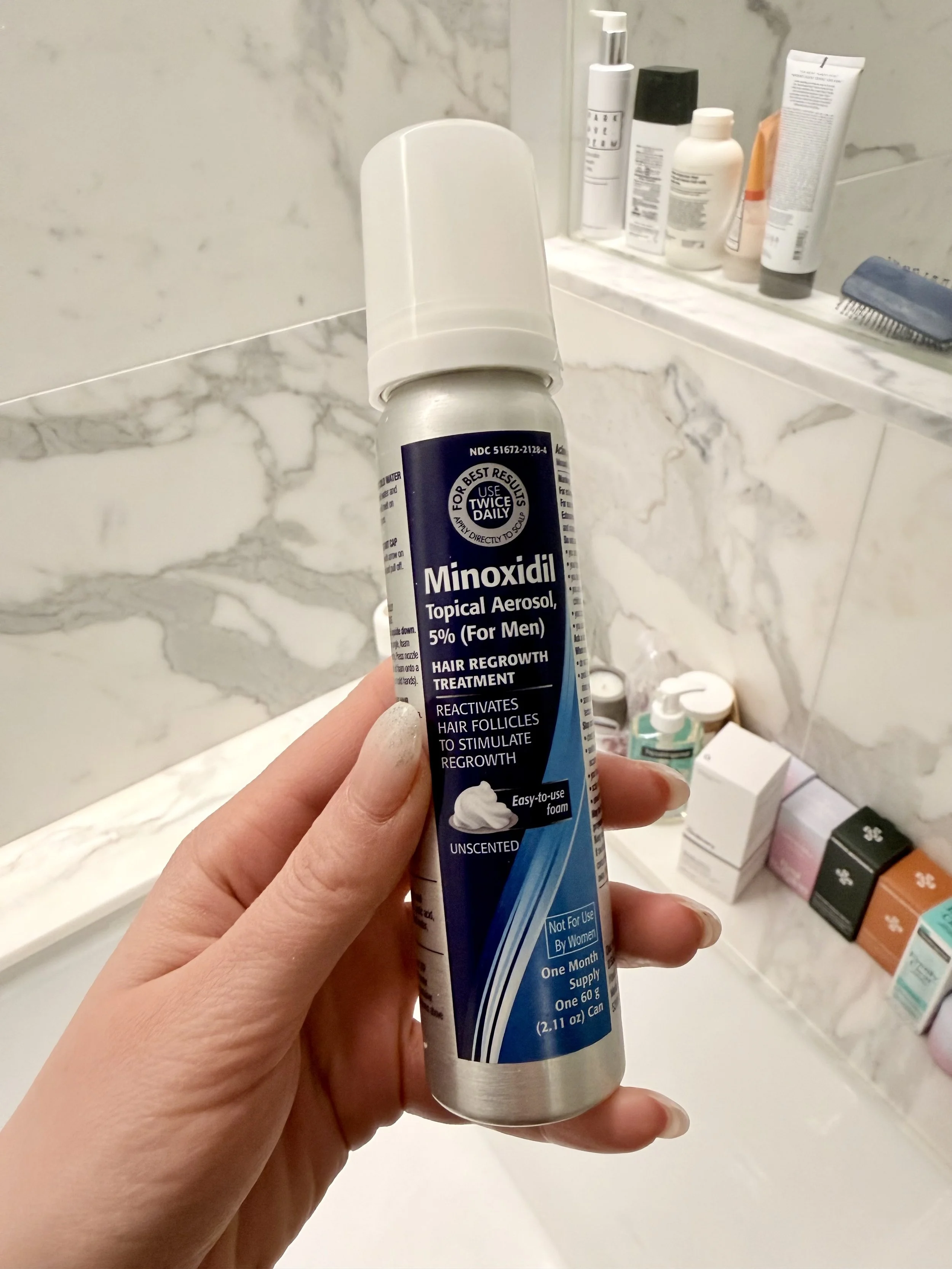
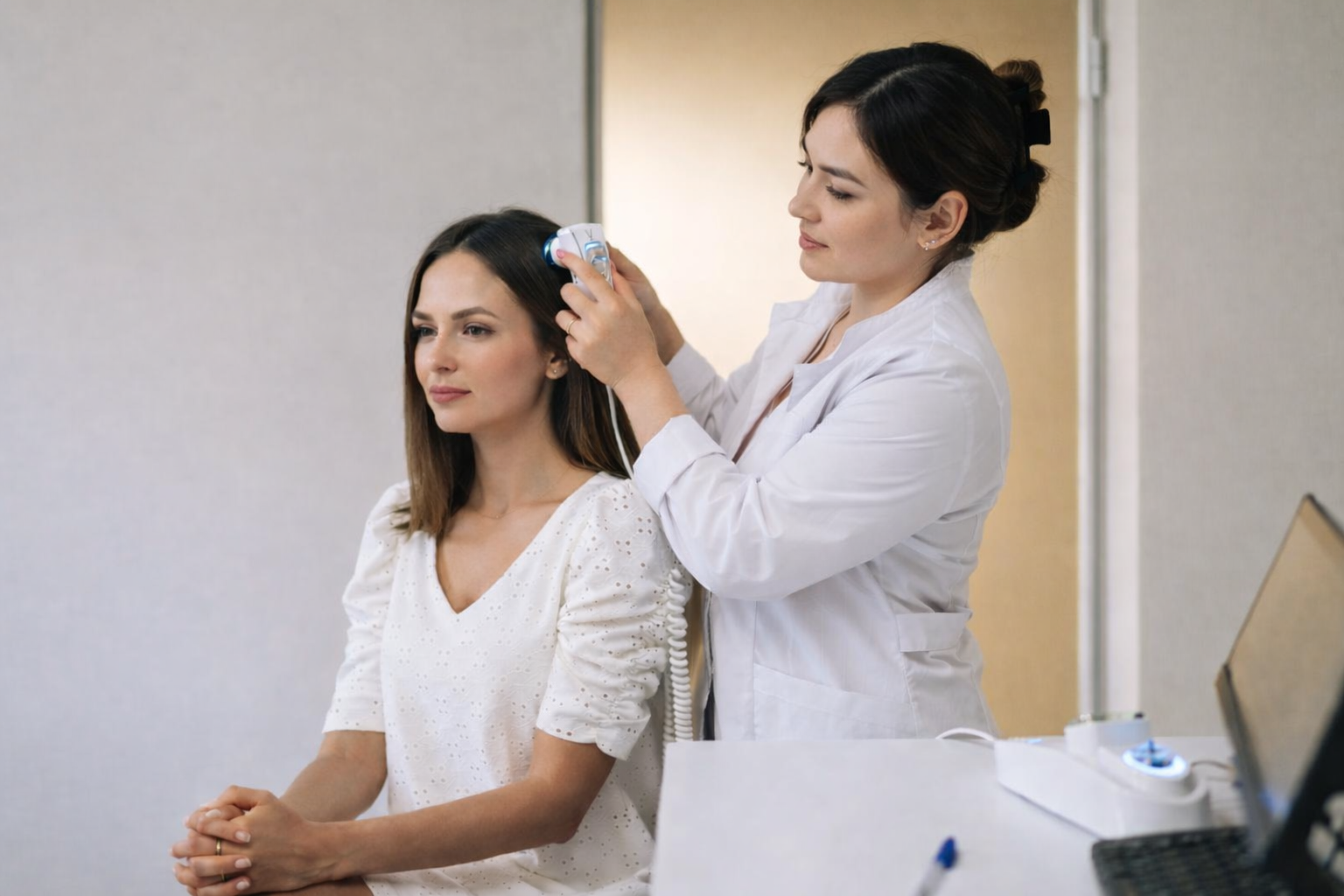
Identifying the cause of your hair loss is the first step toward effective treatment. Hair transplant may be considered for appropriate candidates.
Cosmetic Concerns
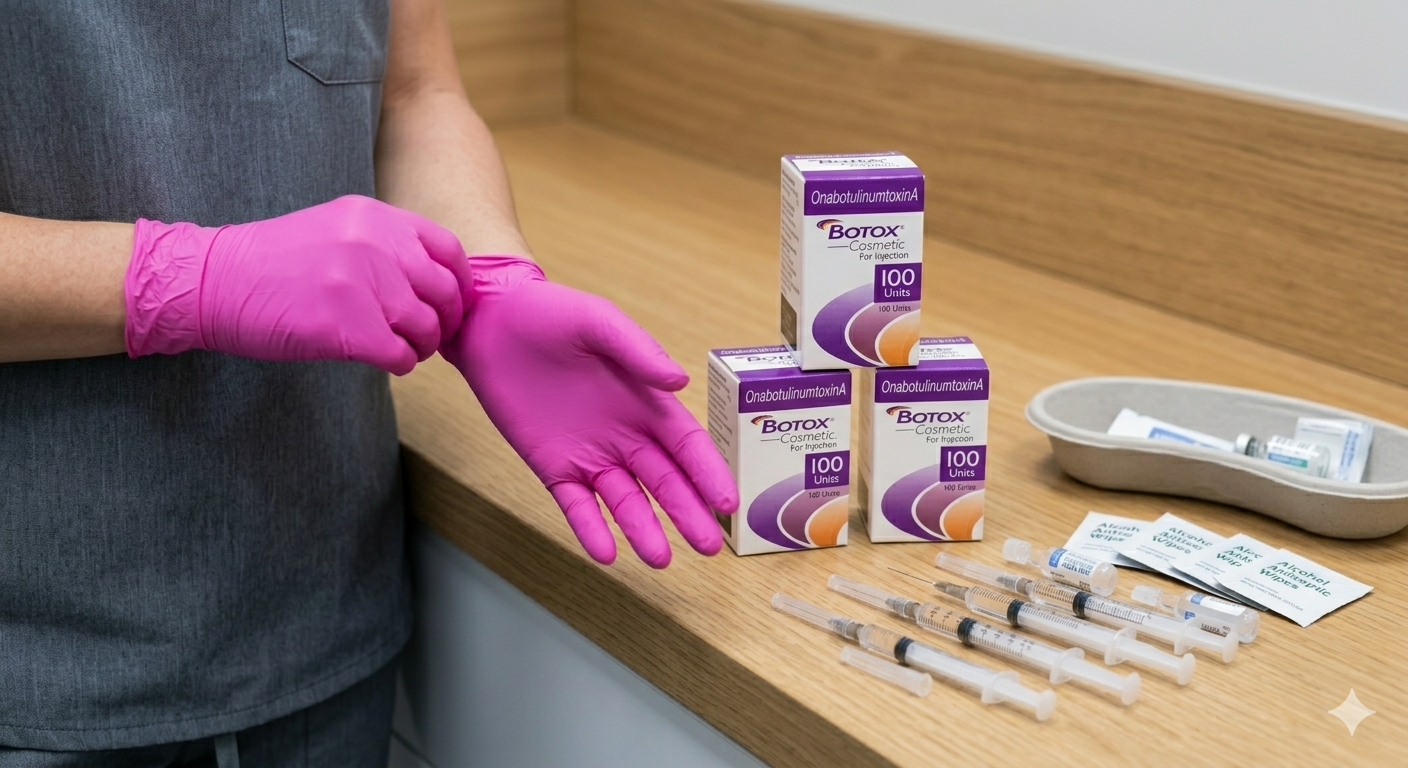
From early signs of aging to changes in tone, texture, or volume, Dr. Queen will tailor treatments to your specific goals.

Schedule your appointment
If you live in New York City, book today.
Appointments are scheduled based on the type of care you’re seeking. Click below to review the options to ensure appropriate scheduling.
Dermatologist-Led Skin & Hair Education.
Dermatologist-Led Skin & Hair Education.
Dr. Queen regularly shares educational insights about skin and hair health to help patients better understand their conditions and treatment options.
Get Dermatologist-Approved Skin & Hair Tips
Join Dr. Queen’s email list to receive expert skincare guidance, hair health education, and updates on new treatments.