
Dandruff vs. Dry Scalp: How to Tell the Difference
Flakes on your shoulders. An itchy scalp. A shampoo that seems to work for a week before the symptoms return.
If this sounds familiar, you're not alone. Scalp flaking affects millions of people, yet it's also one of the most misunderstood scalp conditions.
Many people use the word "dandruff" to describe any flakes on the scalp. However, from a dermatologist's perspective, dandruff is the common term for mild seborrheic dermatitis of the scalp, an inflammatory skin condition associated with an overgrowth of Malassezia yeast. Dry scalp, on the other hand, is a separate condition caused by a lack of moisture and a weakened skin barrier.
Although both conditions can cause flaking and itching, they have different underlying causes and often require different treatments. Understanding which type of flaking you have is the first step toward choosing the right treatment.
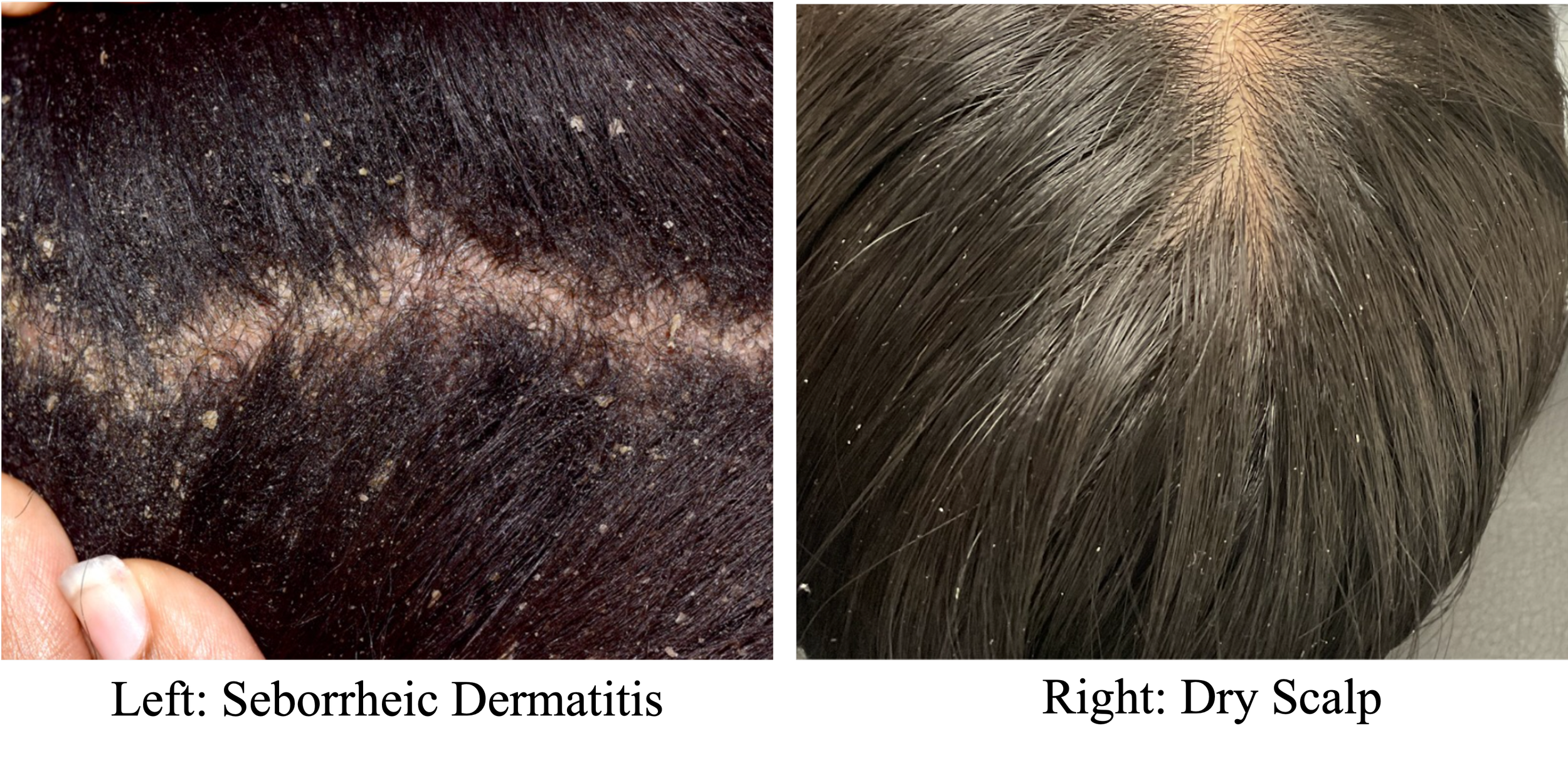
What Is Dandruff?
From a medical standpoint, dandruff is generally considered the mildest form of seborrheic dermatitis affecting the scalp.
It results from an inflammatory response to an overgrowth of Malassezia, a naturally occurring yeast that normally lives on the scalp. In susceptible individuals, this yeast can trigger inflammation, which, together with excess oil production, leads to accelerated shedding of skin cells. The result is the greasy white or yellow flakes and itching that many people associate with dandruff.
Seborrheic dermatitis exists on a spectrum. At one end is dandruff, where the condition is limited to the scalp. At the other end is more extensive seborrheic dermatitis, which may also involve the eyebrows, ears, beard area, sides of the nose, and other oil-rich areas of the skin.
What Is Dry Scalp?
Dry scalp is different from dandruff.
Rather than being caused by inflammation related to Malassezia yeast, dry scalp occurs when the skin lacks adequate moisture. This can happen because of cold weather, low humidity, harsh shampoos, frequent washing, or underlying skin conditions that impair the skin barrier. Flakes tend to be small, white and powdery.
Because the underlying cause is different, treating dry scalp with medicated anti-dandruff shampoos can sometimes make symptoms worse by further drying the scalp.
Dandruff vs. Dry Scalp: What's the Difference?
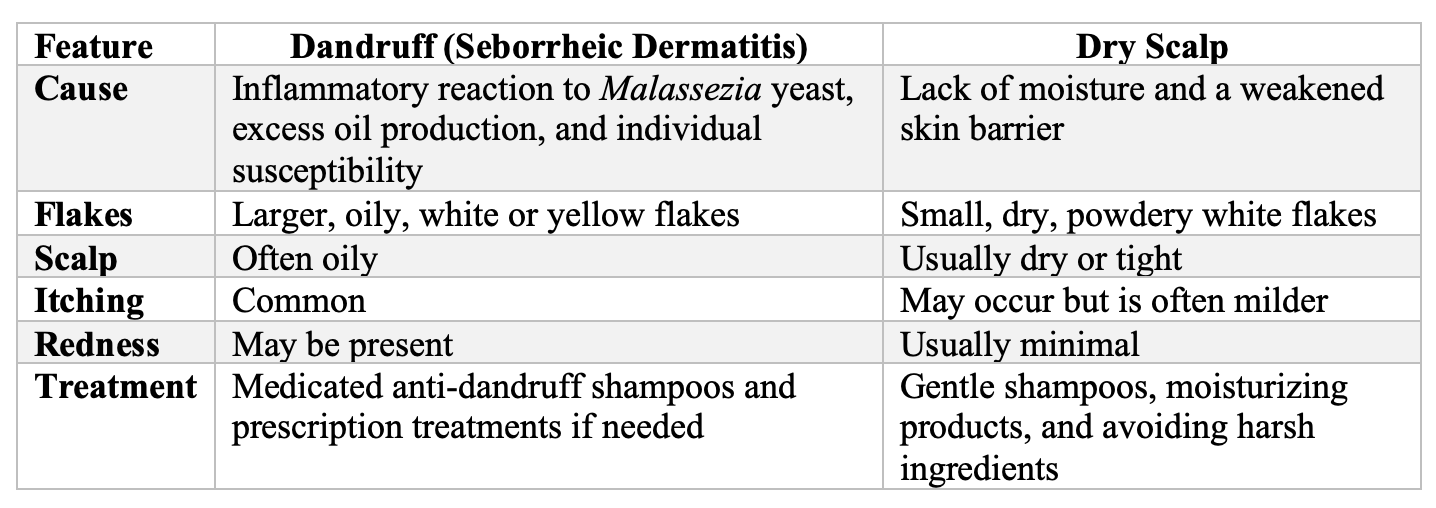
Dermatologist Tip: Although both conditions cause flaking, the treatments are very different. If you're treating dry scalp with anti-dandruff shampoos, or dandruff with moisturizing products, you may not see improvement.
What Causes Dandruff?
The exact cause isn't completely understood, but several factors contribute:
An overgrowth of Malassezia yeast
Increased oil production
Individual immune response
Genetics
Stress
Cold, dry weather
One of the biggest misconceptions is that dandruff is caused by poor hygiene. In reality, dandruff is a common medical condition. Not a sign that you aren't washing your hair enough.
Common Symptoms of Dandruff
Symptoms of dandruff (seborrheic dermatitis) may include:
White or yellow flakes
Itchy scalp
Mild redness
Greasy scale
Symptoms that come and go over time
If redness and scaling spread to the eyebrows, ears, beard, or sides of the nose, you may have seborrheic dermatitis beyond the scalp.
How Is Dandruff Treated?
Treatment depends on severity, but often includes medicated shampoos and topical prescription medications.
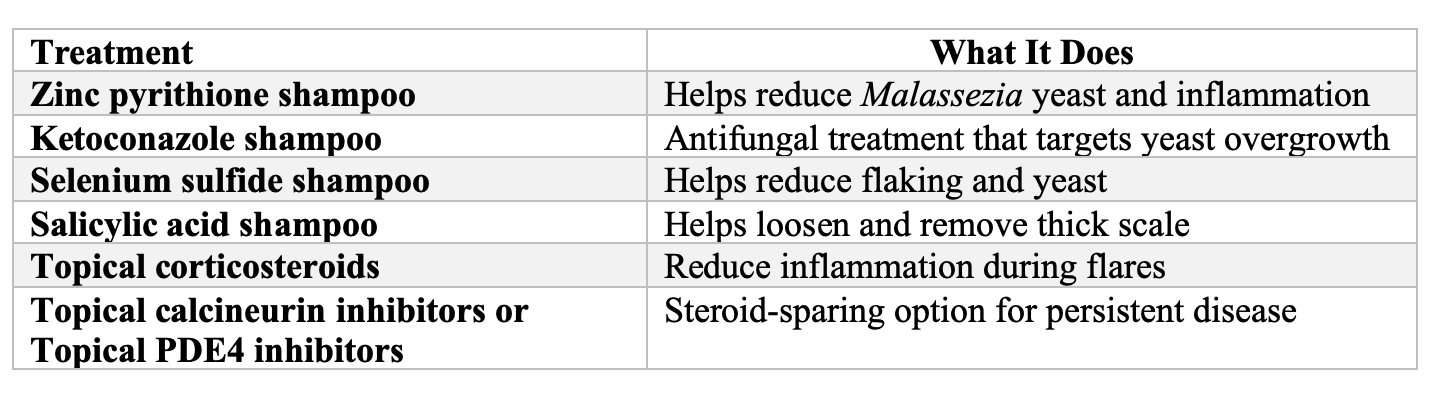
One of the most common mistakes I see is rinsing medicated shampoo out too quickly. Most medicated shampoos should remain on the scalp for 3–5 minutes before rinsing to allow the active ingredients to work effectively.
How Is Dry Scalp Treated?
Treatment focuses on restoring the skin barrier rather than reducing yeast.
Helpful strategies include:
Switching to a gentle shampoo
Avoiding harsh sulfates and heavily fragranced products if they're irritating your scalp
Using moisturizing conditioners
Washing less frequently if overwashing is contributing to dryness
Protecting the scalp during cold, dry weather
If your symptoms don't improve, another condition such as eczema, psoriasis, or seborrheic dermatitis may be responsible.
Can Dandruff Cause Hair Loss?
Dandruff itself doesn't usually cause permanent hair loss. However, inflammation and persistent scratching can indirectly contribute to increased hair shedding, particularly during active flares.
The good news is that once the inflammation is controlled, any associated shedding often improves.
Related: Hair Shedding vs. Hair Loss: How to Tell the Difference.
When Should You See a Dermatologist?
Consider seeing a dermatologist if:
Over-the-counter treatments haven't helped after 4–6 weeks
Your scalp becomes painful or significantly red
You’re having significant itching
You develop bleeding, crusting, or drainage
You're noticing hair loss
The rash spreads beyond your scalp
You're unsure whether you have dandruff, psoriasis, eczema, or another scalp condition
The Bottom Line
Not all scalp flakes are dandruff. While dandruff is the common term for mild scalp seborrheic dermatitis, dry scalp is a separate condition with a different underlying cause. Because these conditions require different treatments, getting the correct diagnosis is often the fastest path to healthier, more comfortable skin.
About the Author
Dr. Dawn Queen, MD is a board-certified dermatologist in New York City specializing in medical dermatology, cosmetic dermatology, and hair loss. She serves as a Clinical Assistant Professor of Dermatology at Columbia University and completed an ISHRS-accredited hair restoration fellowship.
Learn more about Dr. Queen.
Frequently Asked Questions
Is dandruff the same as seborrheic dermatitis?
In dermatology, dandruff is generally considered the mildest form of seborrheic dermatitis affecting the scalp. When inflammation becomes more severe or extends beyond the scalp, we typically use the term seborrheic dermatitis.
Can I have both dandruff and a dry scalp?
Yes. While they're different conditions, it's possible to have both at the same time. For example, someone with dandruff may also develop dryness from harsh shampoos, frequent washing, or environmental factors.
Is dandruff caused by poor hygiene?
No. Dandruff is not caused by poor hygiene. It's related to an inflammatory reaction involving Malassezia yeast and other individual factors. It is not related to how often you wash your hair.
How often should I wash my hair if I have dandruff?
It depends on your hair type and the severity of your symptoms. Many people with dandruff benefit from regular use of a medicated shampoo, while those with dry scalp may need gentler products and less frequent washing. In general, I recommend three times a week. Your dermatologist can help determine the best routine for your scalp.
What ingredients should I avoid if I have a sensitive scalp?
If your scalp is easily irritated, products containing sulfates, strong fragrances, or other harsh ingredients may worsen symptoms. Choosing gentler formulations can help support the skin barrier while reducing irritation.
